
The Brutalist
Welcome to America.
- Director
- Brady Corbet
- Starring
- Adrien Brody, Felicity Jones, Guy Pearce, Joe Alwyn
When an innovative modern architect flees post-war Europe, he is given the opportunity to rebuild his legacy. Set during the dawn of the modern United States (in Pennsylvania), his wife joins him, and their lives are forever changed by a demanding, wealthy patron.
Where to watch
Where can I watch The Brutalist?
As of October 24, 2026, MovieCove lists The Brutalist streaming on HBO Max and to rent or buy on Apple TV and Prime Video.
Subscription


Your rating, lists and review
Highlights
What stands out about The Brutalist?
The Brutalist earns 14 badges, led by Cultural touchstone and Top 10% of films.
- Cultural touchstone, Reception badge.Among the most-seen films, 969K ratings
- Top 10% of films, Rank badge.90th percentile Midcredits score
- Visual feast, Craft and mood badge.Praised by fans (92) and detractors (72)
- Awards magnet, Awards and box office badge.30 wins and 66 more nominations
- Critics' darling, Reception badge.Critics 91, audiences 73
- Star-studded, Cast badge.4 of the billed cast already had a top-10% actor's standing
- Standout acting, Craft and mood badge.Reviews score it 88 of 100
- Box Office Hit, Awards and box office badge.Returned 5.0× its budget
Show 6 moreShow fewer
- Crowd Pleaser, Reception badge.78% rated it 7 or higher
- Thought-provoking, Craft and mood badge.Leaves you thinking
- Emotionally heavy, Craft and mood badge.You may need recovery time
- Preferred by Men, Reception badge.Men scored it 16 points higher than women
- Preferred by Critics, Reception badge.Critics scored it 12 points higher than users
- Strong sexual content, Content badge.Sex & Nudity heavier than 97% of films
- Rank
- Reception
- Craft and mood
- Awards and box office
- Content
- Cast
Reception
Is The Brutalist worth watching?
The Brutalist's Midcredits score is the 90th percentile of all films, from 970K ratings across 6 sources. 78% liked it (rated it 7 or higher out of 10).
Midcredits score
90th percentile
Better received than 90% of films
74 /100
89th percentile of all films
Critics 91 · Audience 73
Rating distribution
votes at each rating level (1–10)
A broad spread centered near 7.1 — solid but not unanimous.
78% liked it
88th percentile of all films
Critics 93% · Audience 79%
Awards
0 Oscars won · 0 Oscar noms · 30 wins / 66 noms overall
- WonGolden Globes· Best Director - Motion Picture
- WonGolden Globes· Best Motion Picture - Drama
99th percentile
969K ratings across platforms
Box office
Returned 5.0× its budget — 95th percentile earner in its genre.
What reviewers say
Common ground
Both camps agree that the film is a technically accomplished but structurally uneven epic that prioritizes visual and thematic ambition over emotional connection.
Fans praised
- Adrien Brody's Oscar-worthy performance channels flinty anger and palpable melancholy
- VistaVision cinematography creates stunning period-appropriate visuals and iconic imagery
- Daniel Blumberg's score swells with emotional and rhythmic intensity
Detractors panned
- Overlong runtime makes the film feel like an endurance test rather than a rewarding epic
- Second half loses narrative coherence with aimless subplots and a rushed, unsatisfying resolution
- Self-important tone mistakes pretentious seriousness for depth, leaving viewers emotionally detached
What stands out
Brody's immersive, career-best performance; Pearce and Jones also praised, though detractors find Brody's role similar to The Pianist
Stunning VistaVision images, meticulous framing and period authenticity
Emotionally resonant score, effective use of archival audio; some find it monotonous
Protagonist deeply drawn but unsympathetic; secondary characters dismissed as one-dimensional stereotypes
Fans moved by Brody's suffering; detractors find it manipulative and cold
First half compelling, second half derails into fragmented, unresolved storylines; weak payoff
Deliberate in first half, falls apart after intermission; runtime feels unjustified and tedious
Rushed climax and epilogue leave many questions unresolved; divisive
Preferred by
Women vs men
Men scored it 16 points higher than women.
Critics vs users
Critics scored it 12 points higher than users.
No notable difference between the other groups: each pair ranks it within 10 percentile points.
- Under-30s vs over-30s 7 points apart
- US vs non-US 9 points apart
Watch experience
What is The Brutalist like to watch?
Watch this when you can give it your full attention, and you are ready for a hard story that does not look away.
What it asks of you
Your full attention and room for heavy feelings.
What it feels like
Harrowing.
How it leaves you
Thinking.
Story archetype
Every story archetype, clockwise from the top
- Monster 21%: Predator 6% · Tyrant 6% · Invasion 2% · Oppressive state 2% · Corporate villainy 1% · Institutional injustice 1% · Class system under 1% · Technology turns under 1% · Inner demon 1%
- Rags 3%: Underdog triumph 2% · Social ascent under 1% · Fame and fortune under 1% · Rise and fall under 1% · Hidden worth revealed under 1%
- Quest 10%: Treasure hunt 1% · Rescue 4% · Mission 5% · Journey home under 1% · Pilgrimage 1%
- Voyage 4%: Portal fantasy under 1% · Fish out of water 2% · Survival ordeal 1% · Time displacement under 1% · Descent 1%
- Comedy 11%: Romantic comedy 4% · Comedy of errors 3% · Farce 2% · Buddy comedy 1% · Comedy of manners 1%
- Tragedy 9%: Hubris 1% · Obsession 2% · Corruption arc 2% · Doomed love 2% · Crushed by fate 3%
- Rebirth 13% (this title): Redemption 3% · Healing 5% (this title) · Liberation 2% · Second chance 2%
- Mystery 7%: Puzzle 1% · Investigation 5% · Enigma 2%
- No archetype 22%
What it's about
Every theme, clockwise from the top
- Bonds 27%: Romantic love 15% · Marriage 2% · Family bonds 21% · Parenthood 2% · Friendship 9% · Loyalty 4%
- Self 22%: Identity 14% · Coming of age 5% · Aging under 1% · Self-worth 7% · Ambition 7% (this title) · Purpose 9% · Memory 3% · Obsession 3%
- Power 7%: Power 2% · Corruption 3% · Greed 3% · Class 3% · Oppression 4% (this title) · Freedom 5%
- Morality 16%: Justice 13% · Duty 2% · Revenge 4% · Guilt 3% · Redemption 6% · Forgiveness 1% · Sacrifice 4% · Betrayal 5% · Deception 9%
- Survival 15% (this title): Survival 17% · War 1% · Violence 4% · Mortality 2% · Grief 6% · Trauma 7% (this title) · Mental illness 1% · Addiction 1% · Illness and disability under 1%
- Society 9%: Community 14% · Isolation 5% · Prejudice 3% · Displacement 1% · Faith 3% · Tradition vs change 2% · Fame 3% · Legacy 4%
- Ideas 5%: Fate 1% · Free will under 1% · Truth 4% · Hope 5% · Nature 2% · Art 4% · Technology 1%
The world
Content guide
Is The Brutalist okay for kids?
RThe Brutalist is rated R: “Rated R for strong sexual content, graphic nudity, rape, drug use and some language” (MPAA). As of October 5, 2026, Midcredits content scores put its violence at moderate (55/100), sexual content at intense (79/100), language at moderate (46/100), drug and alcohol content at severe (86/100) and frightening material at intense (62/100). Overall it is heavier than 71% of R-rated films.
Ratings in 44 other countriesRatings elsewhere
- UK18
- Canada18A
- AustraliaMA 15+
- Germany16
- FranceTP
- Ireland16
- New ZealandR16
- JapanR15+
- South Korea19
- Brazil18
- Argentina+16
- Austria14
- BGD
- CL14
- Czechia15+
- Denmark11
- FinlandK-16
- GreeceK15
- Hong KongIII
- Hungary18
- IndiaA
- Israel14
- Italy6+
- LTN-16
- LV16+
- MexicoC
- MOD
- Netherlands16
- Norway15
- PhilippinesR-16
- PortugalM/16
- PRR
- RO15
- SingaporeR21
- SK18
- South Africa16
- Spain16
- Sweden11
- Switzerland16
- Taiwan12+
- TH18
- Türkiye18+
- UA18+
- VIR
Point along a line to see a well-known title at that level.
The reason to think twice is drug and alcohol content, sexual content, and frightening material. Everything else sits at or below what R-rated films usually carry.
Source: Midcredits content scores, 0 (none) to 100 (severe) per category, with each standing ranked against other films that have them.
What content warnings does The Brutalist have?
MovieCove's classifier found 7 depicted content warnings in The Brutalist: Addiction or relapse (severe), Gore or body horror (mild), plus 5 withheld here because they would spoil the plot. Each is backed by a verbatim quote from the parents' guide notes; a missing warning is not a guarantee of absence.
Cast and crew
Who is in The Brutalist?
Cast
4 of the cast already had the standing of a top-10% working actor.





Crew
Directed by
Written by
Cinematography
Edited by
Music by
Produced by
+43 more
, Maddie Browning, Jesse Ozeri, Yuchuan Cao, D.J. Gugenheim, Brian Young, Ronald Richardson, Ruby Walden, Owen Matthews, Michael Orcutt, Scott Weber, Emily Richardson, Nursultan Tasmagambertov, Trevor Matthews, Mona Fastvold, Norman Merry, Peter Hampden, David Hinojosa, Carter Stanton, Aaron Himmel, Klaudia Smieja, Ron Curtis, Zach Verdin, Joseph King Salwen, Annamária Ligosztájeva, Mark Gillespie, Simon Baxter, Thomas Pierce, Joshua Horsfield, Max Kondziolka, Peter Vaughan, Scott Lake, Kelly Peck, Sarah Meyohas, Kyle Stroud, Andrew Morrison, Oleg Nodelman, Nick Gordon, Evangelo Kioussis, Pamela Koffler, Andrew Lauren, Viktória Petrányi, Christine Vachon, Alexa GoldbergMore like this
What are movies like The Brutalist?
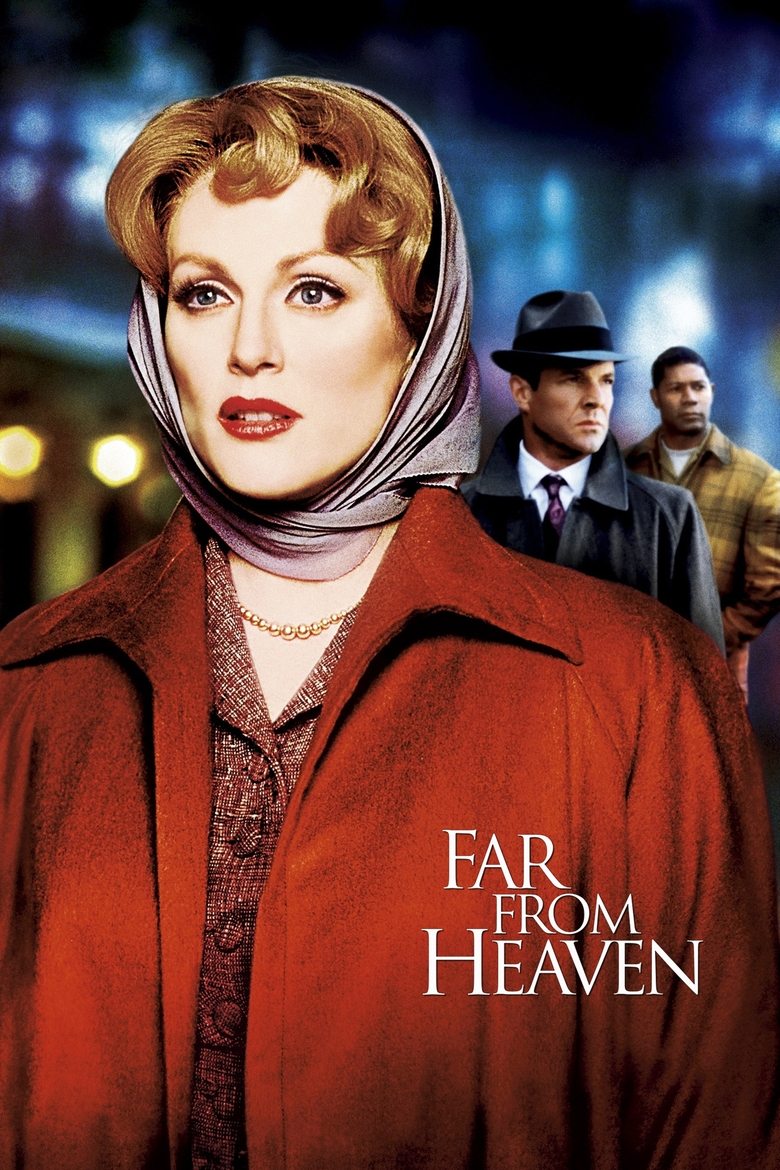
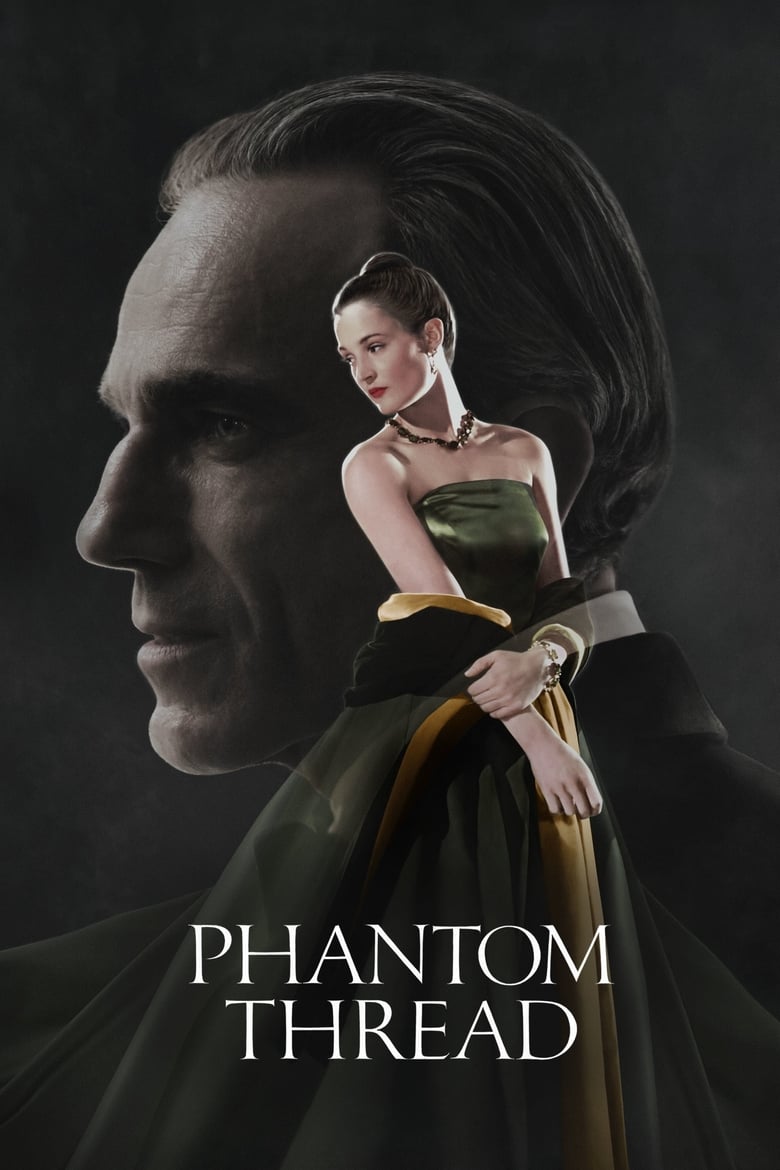
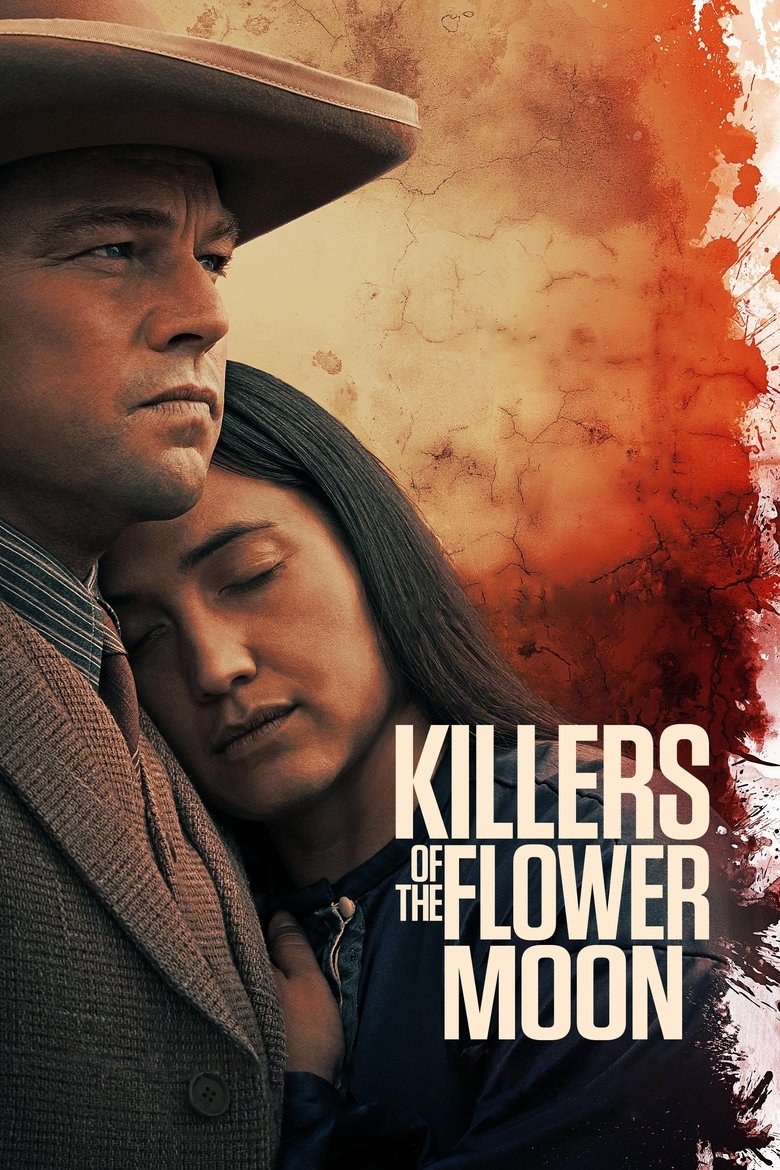
Movies like The Brutalist include Ferrari (2023), Maestro (2023) and Far from Heaven (2002). Of the 12 closest matches, most are stories about husbands and wives, and several are films set in an immigrant community.







Why this pick
Explore by
What else shares a premise, people or place with The Brutalist?
220 other films share the rarest tag below, relationship: master and servant. Each tag opens Browse with the films that share it.