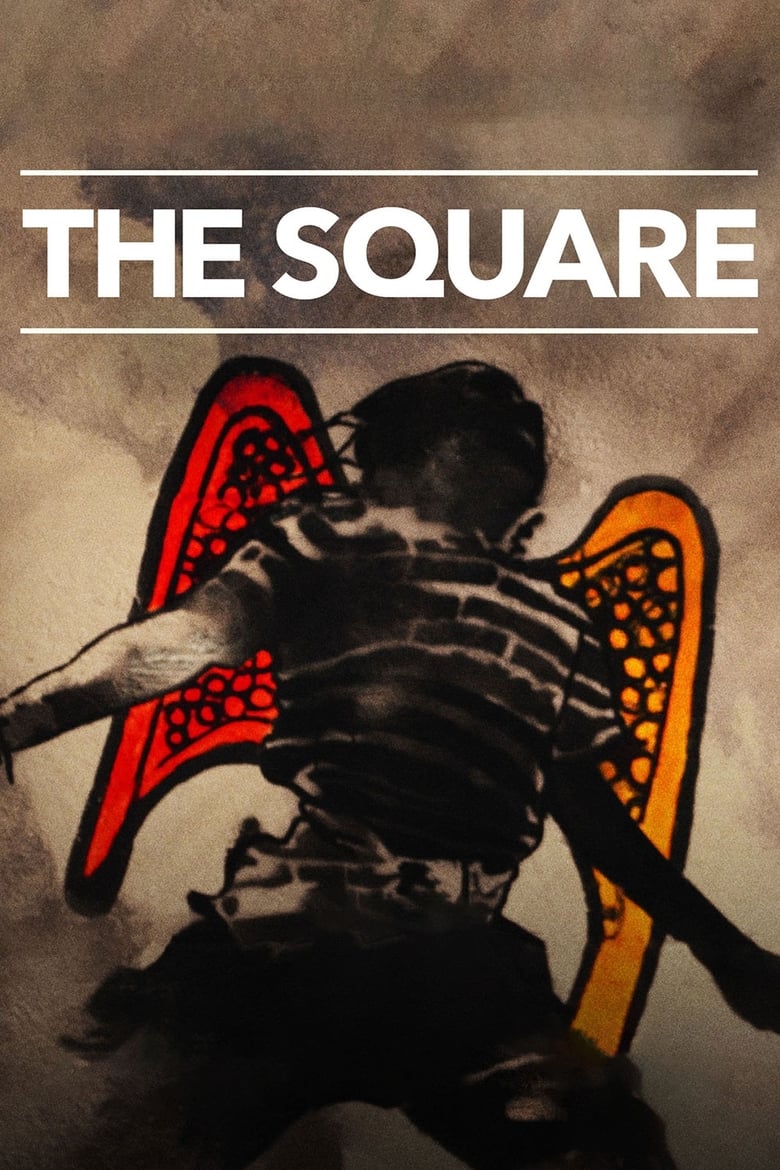
The Square
The people demand the downfall of the regime
- Director
- Jehane Noujaim
- Starring
- Dina Abdullah, Dina Amer, Buthayna Kamel, Pierre Sioufi
The Square looks at the hard realities faced day-to-day by people working to build Egypt’s new democracy. Cairo’s Tahrir Square is the heart and soul of the film, which follows several young activists. Armed with values, determination, music, humor, an abundance of social media, and sheer obstinacy, they know that the thorny path to democracy only began with Hosni Mubarak’s fall. The life-and-death struggle between the people and the power of the state is still playing out.
Where to watch
Where can I watch The Square?
As of October 24, 2026, MovieCove lists The Square streaming on Cineverse via Prime Video, Fandor via Prime Video and Tubi (free) and to rent or buy on Prime Video.
Subscription



Rent / Buy


Your rating, lists and review
Highlights
What stands out about The Square?
The Square earns 8 badges, led by Modern classic and Top 5% of films.
- Modern classic, Reception badge.98th percentile Midcredits score, 13 years on
- Top 5% of films, Rank badge.98th percentile Midcredits score
- Universally Loved, Reception badge.89% rated it 7 or higher
- Deeply moving, Craft and mood badge.Reviews score it 85 of 100
- Award Winner, Awards and box office badge.11 wins and 13 more nominations
- Box Office Flop, Awards and box office badge.Grossed 8% of its budget
- Rousing, Craft and mood badge.Leaves you fired up
- Preferred by Users, Reception badge.Users scored it 13 points higher than critics
- Rank
- Reception
- Craft and mood
- Awards and box office
Reception
Is The Square worth watching?
The Square's Midcredits score is the 98th percentile of all films, from 17K ratings across 6 sources. 89% liked it (rated it 7 or higher out of 10).
Midcredits score
98th percentile
Better received than 98% of films
79 /100
96th percentile of all films
Critics 84 · Audience 79
Rating distribution
votes at each rating level (1–10)
Ratings pile up at 9–10 with almost no detractors — near-universal love.
89% liked it
97th percentile of all films
Critics 100% · Audience 89%
Awards
0 Oscars won · 1 Oscar noms · 11 wins / 13 noms overall
- NominatedAcademy Awards· Best Documentary, Features
78th percentile
17K ratings across platforms
Box office
Returned 0.1× its budget — 60th percentile earner in its genre.
What reviewers say
Common ground
This documentary is an intimate, ground-level chronicle of the ongoing Egyptian revolution from the protesters' point of view.
Fans praised
- immersive first-hand perspective from inside the protests
- powerful human focus on individual revolutionaries and their sacrifices
- clarifies complex political shifts between Mubarak, military, and Muslim Brotherhood
Detractors panned
- one-sided perspective favoring revolutionaries, omits other viewpoints
- lacks coherent narrative structure, feels disjointed or incomplete
- naively portrays activists as heroes and authorities as villains
What stands out
viewers report crying and feeling deep empathy for the revolutionaries
immersive you-are-there feel of Tahrir Square's chaos and camaraderie
follows a handful of revolutionaries whose personal arcs reflect the revolution's trajectory
life-or-death stakes of protests and military crackdowns
memorable quotes about conscience and the price of revolution
raw handheld footage places viewer in the middle of clashes
chronology of protests from 2011 to 2013, but feels chaotic and unresolved
no resolution reflects ongoing revolution, leaving some viewers unsatisfied
Preferred by
Critics vs users
Users scored it 13 points higher than critics.
No notable difference between the other groups: each pair ranks it within 10 percentile points.
- Women vs men even
- Under-30s vs over-30s even
- US vs non-US 3 points apart
Watch experience
What is The Square like to watch?
Watch this when you are ready for heavy feelings, and you want something tense that holds you to the end.
What it asks of you
Room for heavy feelings.
What it feels like
Tense and gripping.
How it leaves you
Fired up.
Story archetype
Every story archetype, clockwise from the top
- Monster 21%: Predator 6% · Tyrant 6% · Invasion 2% · Oppressive state 2% · Corporate villainy 1% · Institutional injustice 1% · Class system under 1% · Technology turns under 1% · Inner demon 1%
- Rags 3%: Underdog triumph 2% · Social ascent under 1% · Fame and fortune under 1% · Rise and fall under 1% · Hidden worth revealed under 1%
- Quest 10%: Treasure hunt 1% · Rescue 4% · Mission 5% · Journey home under 1% · Pilgrimage 1%
- Voyage 4%: Portal fantasy under 1% · Fish out of water 2% · Survival ordeal 1% · Time displacement under 1% · Descent 1%
- Comedy 11%: Romantic comedy 4% · Comedy of errors 3% · Farce 2% · Buddy comedy 1% · Comedy of manners 1%
- Tragedy 9%: Hubris 1% · Obsession 2% · Corruption arc 2% · Doomed love 2% · Crushed by fate 3%
- Rebirth 13%: Redemption 3% · Healing 5% · Liberation 2% · Second chance 2%
- Mystery 7%: Puzzle 1% · Investigation 5% · Enigma 2%
- No archetype 22% (this title)
What it's about
Every theme, clockwise from the top
- Bonds 27%: Romantic love 15% · Marriage 2% · Family bonds 21% · Parenthood 2% · Friendship 9% · Loyalty 4%
- Self 22%: Identity 14% · Coming of age 5% · Aging under 1% · Self-worth 7% · Ambition 7% · Purpose 9% · Memory 3% · Obsession 3%
- Power 7% (this title): Power 2% · Corruption 3% · Greed 3% · Class 3% · Oppression 4% · Freedom 5% (this title)
- Morality 16%: Justice 13% · Duty 2% · Revenge 4% · Guilt 3% · Redemption 6% · Forgiveness 1% · Sacrifice 4% · Betrayal 5% · Deception 9%
- Survival 15%: Survival 17% · War 1% · Violence 4% · Mortality 2% · Grief 6% · Trauma 7% · Mental illness 1% · Addiction 1% · Illness and disability under 1%
- Society 9%: Community 14% (this title) · Isolation 5% · Prejudice 3% · Displacement 1% · Faith 3% · Tradition vs change 2% · Fame 3% · Legacy 4%
- Ideas 5%: Fate 1% · Free will under 1% · Truth 4% · Hope 5% · Nature 2% · Art 4% · Technology 1%
The world
Content guide
Is The Square okay for kids?
Not RatedThe Square is not rated. As of August 31, 2026, Midcredits content scores put its violence at severe (100/100), sexual content at minimal (0/100), language at mild (33/100), drug and alcohol content at mild (22/100) and frightening material at severe (89/100). None has enough votes to rank yet.
Ratings in 2 other countriesRatings elsewhere
- Canada18A
- Ireland15
Too few votes to rank this title overall (16 votes across 5 categories; ranking needs 10 in at least three).
Source: Midcredits content scores, 0 (none) to 100 (severe) per category, with each standing ranked against other films that have them.
What content warnings does The Square have?
Not screened for content warnings yet.
Cast and crew
Who is in The Square?
Cast


Crew
Directed by
Cinematography
Edited by
Music by
Produced by
+22 more
, Arif Naqvi, Tarek Shoeb, Andy Rocklin, Karim Amer, Cressida Trew, Maxyne Franklin, Sarah E. Johnson, Muhammad Hamdy, Nicole Guillemet, Alexandra Johnes, Yasmin Kamel, Jodie Evans, Geralyn White Dreyfous, Jehane Noujaim, Dina Amer, Daniel E. Catullo, Lekha Singh, Clark Langon, Ibrahim Alhusseini, Lisa Nishimura, Mike Lerner, Khalil NoujaimMore like this
What are movies like The Square?
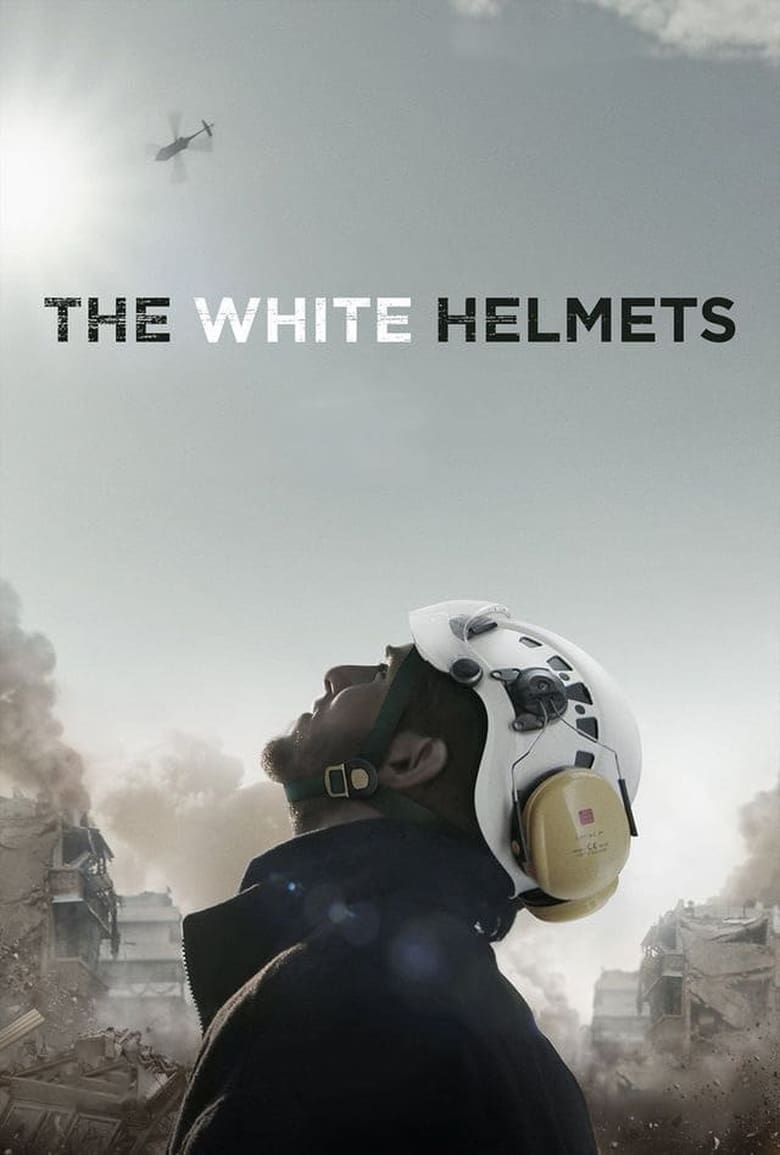
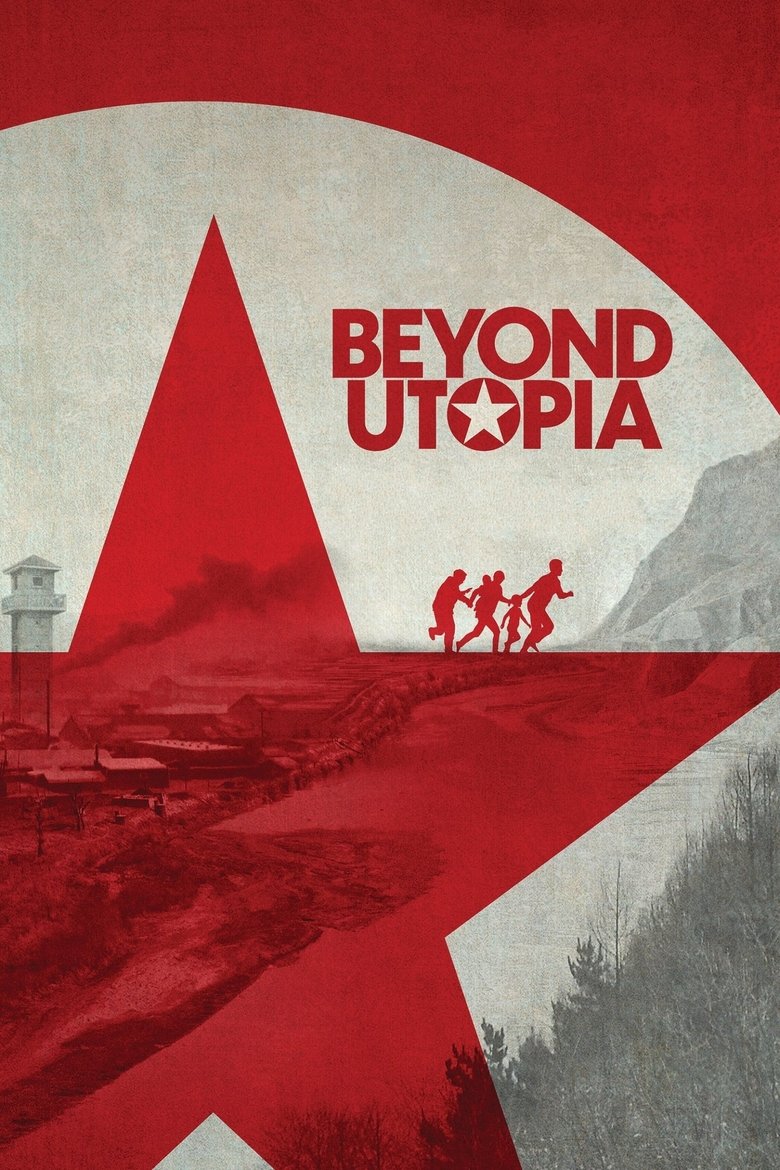
Movies like The Square include Winter on Fire: Ukraine's Fight for Freedom (2015), The White Helmets (2016) and Beyond Utopia (2023). Of the 11 closest matches, several are films about freedom, and several are films set in the Middle East.
- Winter on Fire: Ukraine's Fight for FreedomSubject:
- The White HelmetsPeople:
- Beyond UtopiaSubject:
- Control RoomPeople:
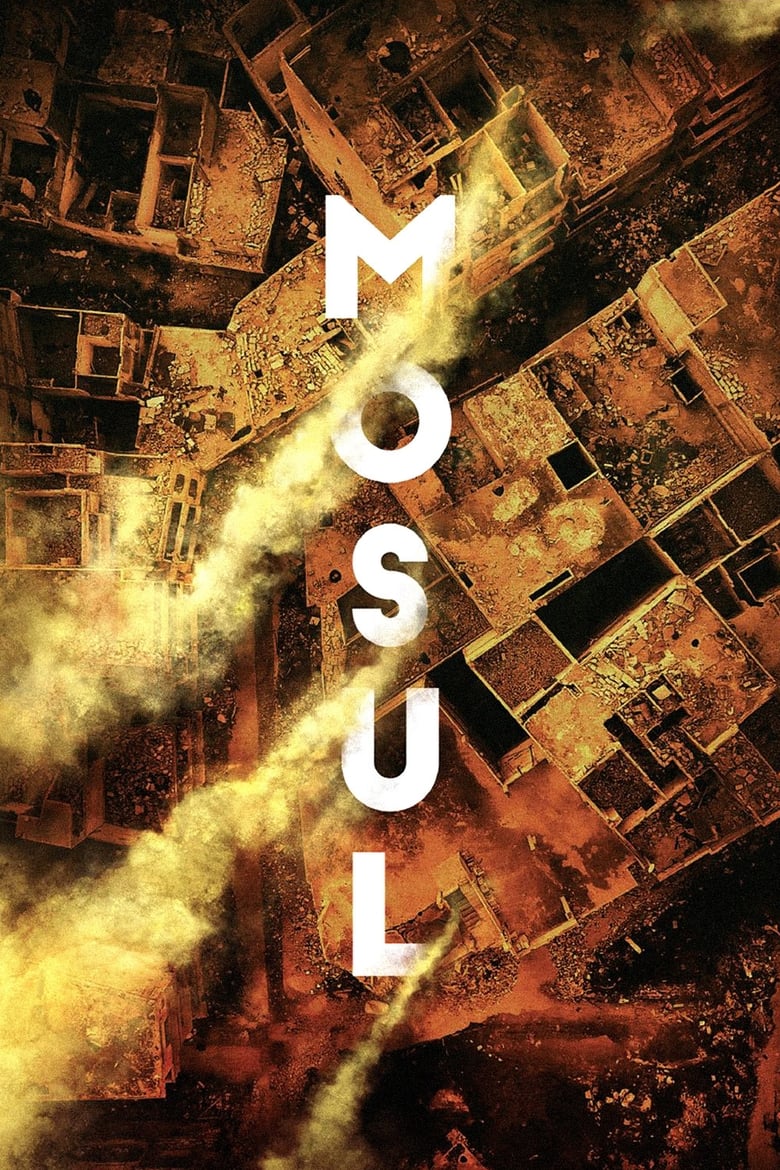
- MosulStory type:
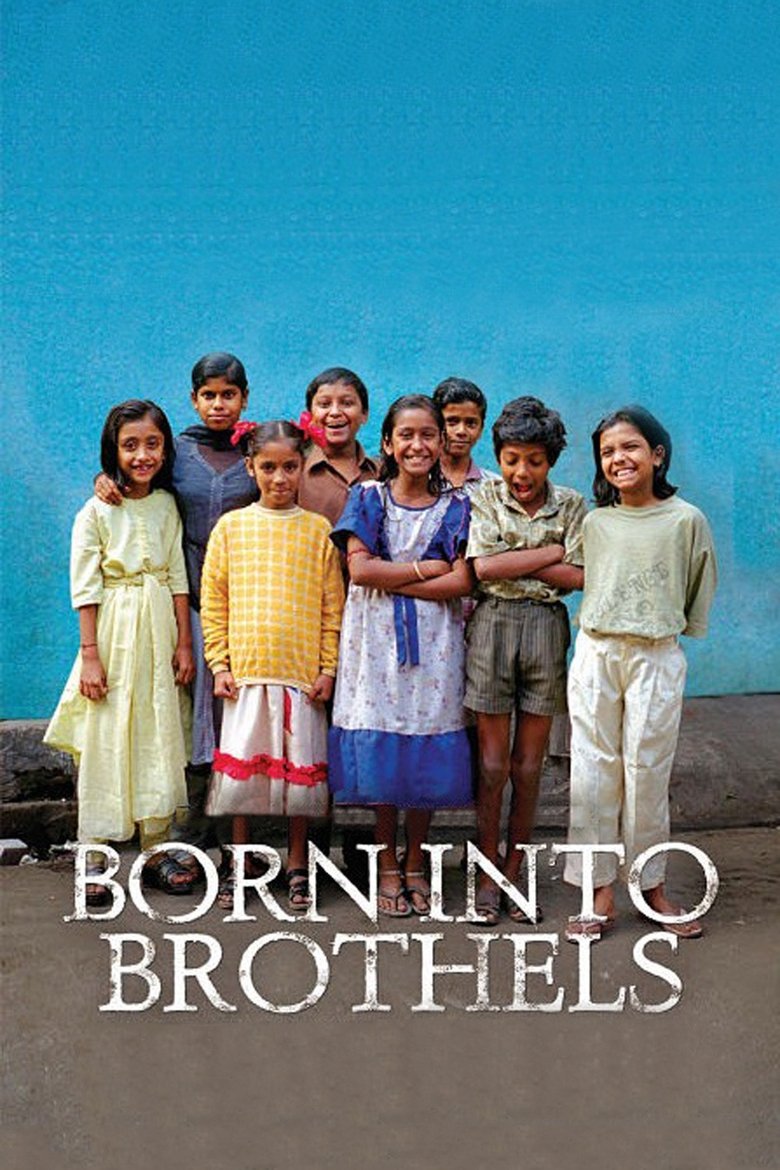
- Born Into Brothels: Calcutta's Red Light KidsStory type:
- Harlan County U.S.A.Feel:
- The Beatles: Eight Days a Week - The Touring YearsStory type:
- WoodstockStory type:
- ArmadilloReception:
- For SamaPeople:



Why this pick
Explore by
What else shares a premise, people or place with The Square?
2.9K other films share the rarest tag below, kind of film: music documentary. Each tag opens Browse with the films that share it.