
Pride & Prejudice
Sometimes the last person on earth you want to be with is the one person you can't be without.
- Director
- Joe Wright
A story of love and life among the landed English gentry during the Georgian era. Mr. Bennet is a gentleman living in Hertfordshire with his overbearing wife and five daughters, but if he dies their house will be inherited by a distant cousin whom they have never met, so the family's future happiness and security is dependent on the daughters making good marriages.
Where to watch
Where can I watch Pride & Prejudice?
As of October 24, 2026, MovieCove lists Pride & Prejudice to rent or buy on Apple TV and Prime Video, and on no subscription service.




Your rating, lists and review
Highlights
What stands out about Pride & Prejudice?
Pride & Prejudice earns 14 badges, led by Modern classic and Top 5% of films.
- Modern classic, Reception badge.98th percentile Midcredits score, 21 years on
- Top 5% of films, Rank badge.98th percentile Midcredits score
- Universally Loved, Reception badge.86% rated it 7 or higher
- Visual feast, Craft and mood badge.Praised by fans (92) and detractors (70)
- Standout soundtrack, Craft and mood badge.Reviews score it 85 of 100
- Family friendly, Content badge.In the lightest quarter of films on all 5 categories
- Box Office Hit, Awards and box office badge.Returned 4.7× its budget
- Award Winner, Awards and box office badge.10 wins and 58 more nominations
Show 6 moreShow fewer
- Cultural touchstone, Reception badge.Among the most-seen films, 2.7M ratings
- Breakout role, Cast badge.Keira Knightley's breakout
- Before they were famous, Cast badge.Matthew Macfadyen and 2 more: newcomer then, star now
- Feel-good, Craft and mood badge.Leaves you feeling good
- Gentle for a PG-rated film, Content badge.Heavier than only 1% of PG-rated films
- Big Budget, Awards and box office badge.$28M budget
- Rank
- Reception
- Craft and mood
- Awards and box office
- Content
- Cast
Reception
Is Pride & Prejudice worth watching?
Pride & Prejudice's Midcredits score is the 98th percentile of all films, from 2.7M ratings across 6 sources. 86% liked it (rated it 7 or higher out of 10).
Midcredits score
98th percentile
Better received than 98% of films
81 /100
97th percentile of all films
Critics 82 · Audience 81
Rating distribution
votes at each rating level (1–10)
Most people land high, with a thin tail of low scores from those it didn't reach.
86% liked it
96th percentile of all films
Critics 87% · Audience 90%
Awards
0 Oscars won · 4 Oscar noms · 10 wins / 58 noms overall
- NominatedAcademy Awards· Best Achievement in Art Direction
- NominatedAcademy Awards· Best Achievement in Costume Design
99th percentile
2.7M ratings across platforms
Box office
Returned 4.7× its budget — 98th percentile earner in its genre.
What reviewers say
Common ground
Both camps agree the film is a compressed, visually beautiful adaptation that takes liberties with Austen's novel to focus more on the romance than the social satire.
Fans praised
- breathtaking cinematography and landscape shots
- spirited, witty performance by Keira Knightley as Elizabeth
- captures the romance and emotional depth of the love story
Detractors panned
- rushed pacing that sacrifices character development and subplots
- historical inaccuracies in costumes, manners, and period detail
- Matthew Macfadyen's Darcy lacks pride and charisma, comes off as flat or wooden
What stands out
Lush, painterly landscapes and fluid camera work; praised even by detractors
Knightley praised as spirited and perfect; Macfadyen divisive—some find him subtle and vulnerable, others flat and weak
Gritty, earthy realism of Bennet farm contrasts with grand estates; immersive but jars purists
Moves many viewers deeply, especially final scenes; detractors find it melodramatic
Supporting roles like Mrs. Bennet and Mr. Collins well-drawn, but protagonists lack development; Wickham and Lydia severely truncated
Austen's wit sometimes preserved but often replaced with modernized or simplified lines
Rushed condensation omits subplots and key character moments; story feels like bullet points
Too fast for the novel's complexity, with abrupt scene transitions and compressed timelines
Preferred by
No notable difference between any of the groups: each pair ranks it within 10 percentile points.
- Women vs men 8 points apart
- Under-30s vs over-30s 1 point apart
- Critics vs users 3 points apart
- US vs non-US 2 points apart
Watch experience
What is Pride & Prejudice like to watch?
Watch this when you are in the mood for a love story.
What it asks of you
Patience.
What it feels like
Romantic.
How it leaves you
Feeling good.
Story archetype
Every story archetype, clockwise from the top
- Monster 21%: Predator 6% · Tyrant 6% · Invasion 2% · Oppressive state 2% · Corporate villainy 1% · Institutional injustice 1% · Class system under 1% · Technology turns under 1% · Inner demon 1%
- Rags 3%: Underdog triumph 2% · Social ascent under 1% · Fame and fortune under 1% · Rise and fall under 1% · Hidden worth revealed under 1%
- Quest 10%: Treasure hunt 1% · Rescue 4% · Mission 5% · Journey home under 1% · Pilgrimage 1%
- Voyage 4%: Portal fantasy under 1% · Fish out of water 2% · Survival ordeal 1% · Time displacement under 1% · Descent 1%
- Comedy 11% (this title): Romantic comedy 4% · Comedy of errors 3% · Farce 2% · Buddy comedy 1% · Comedy of manners 1% (this title)
- Tragedy 9%: Hubris 1% · Obsession 2% · Corruption arc 2% · Doomed love 2% · Crushed by fate 3%
- Rebirth 13%: Redemption 3% · Healing 5% · Liberation 2% · Second chance 2%
- Mystery 7%: Puzzle 1% · Investigation 5% · Enigma 2%
- No archetype 22%
What it's about
Every theme, clockwise from the top
- Bonds 27% (this title): Romantic love 15% (this title) · Marriage 2% · Family bonds 21% · Parenthood 2% · Friendship 9% · Loyalty 4%
- Self 22%: Identity 14% · Coming of age 5% · Aging under 1% · Self-worth 7% (this title) · Ambition 7% · Purpose 9% · Memory 3% · Obsession 3%
- Power 7%: Power 2% · Corruption 3% · Greed 3% · Class 3% (this title) · Oppression 4% · Freedom 5%
- Morality 16%: Justice 13% · Duty 2% · Revenge 4% · Guilt 3% · Redemption 6% · Forgiveness 1% · Sacrifice 4% · Betrayal 5% · Deception 9%
- Survival 15%: Survival 17% · War 1% · Violence 4% · Mortality 2% · Grief 6% · Trauma 7% · Mental illness 1% · Addiction 1% · Illness and disability under 1%
- Society 9%: Community 14% · Isolation 5% · Prejudice 3% · Displacement 1% · Faith 3% · Tradition vs change 2% · Fame 3% · Legacy 4%
- Ideas 5%: Fate 1% · Free will under 1% · Truth 4% · Hope 5% · Nature 2% · Art 4% · Technology 1%
The world
Content guide
Is Pride & Prejudice okay for kids?
PGPride & Prejudice is rated PG: “Rated PG for some mild thematic elements” (MPAA). As of October 3, 2026, Midcredits content scores put its violence at minimal (2/100), sexual content at minimal (13/100), language at minimal (6/100), drug and alcohol content at mild (16/100) and frightening material at minimal (5/100). Overall it is heavier than 1% of PG-rated films.
Ratings in 24 other countriesRatings elsewhere
- UKU
- AustraliaG
- Germany0
- FranceTP
- IrelandG
- JapanPG12
- South Korea12
- BrazilL
- Austria6
- Czechia15+
- DenmarkA
- Hungary16
- IndiaU/A 13+
- MexicoB
- NetherlandsAL
- NorwayA
- Poland16
- PortugalM/12
- RO15
- Russia12+
- SK15
- SpainAPTA
- Sweden11
- Switzerland16
Point along a line to see a well-known title at that level.
Nothing here is extreme. The strongest element is drug and alcohol content, heavier than 30% of PG-rated films.
Source: Midcredits content scores, 0 (none) to 100 (severe) per category, with each standing ranked against other films that have them.
What content warnings does Pride & Prejudice have?
Not screened for content warnings yet.
Cast and crew
Who is in Pride & Prejudice?
Cast
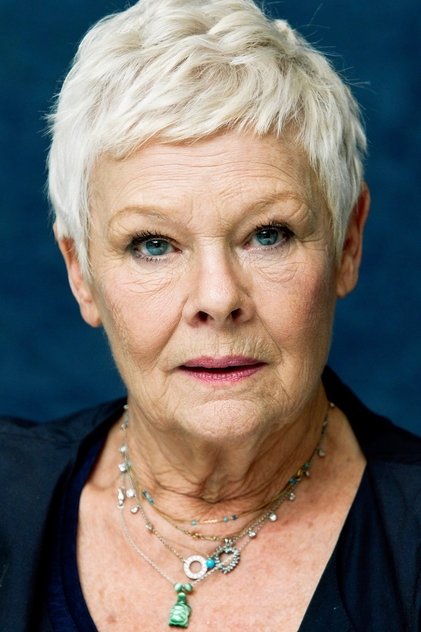
2 of the 10 billed cast had never appeared on screen; 1 of the cast already had the standing of a top-10% working actor.









Crew
Directed by
Written by
Cinematography
Edited by
Music by
Produced by
More like this
What are movies like Pride & Prejudice?
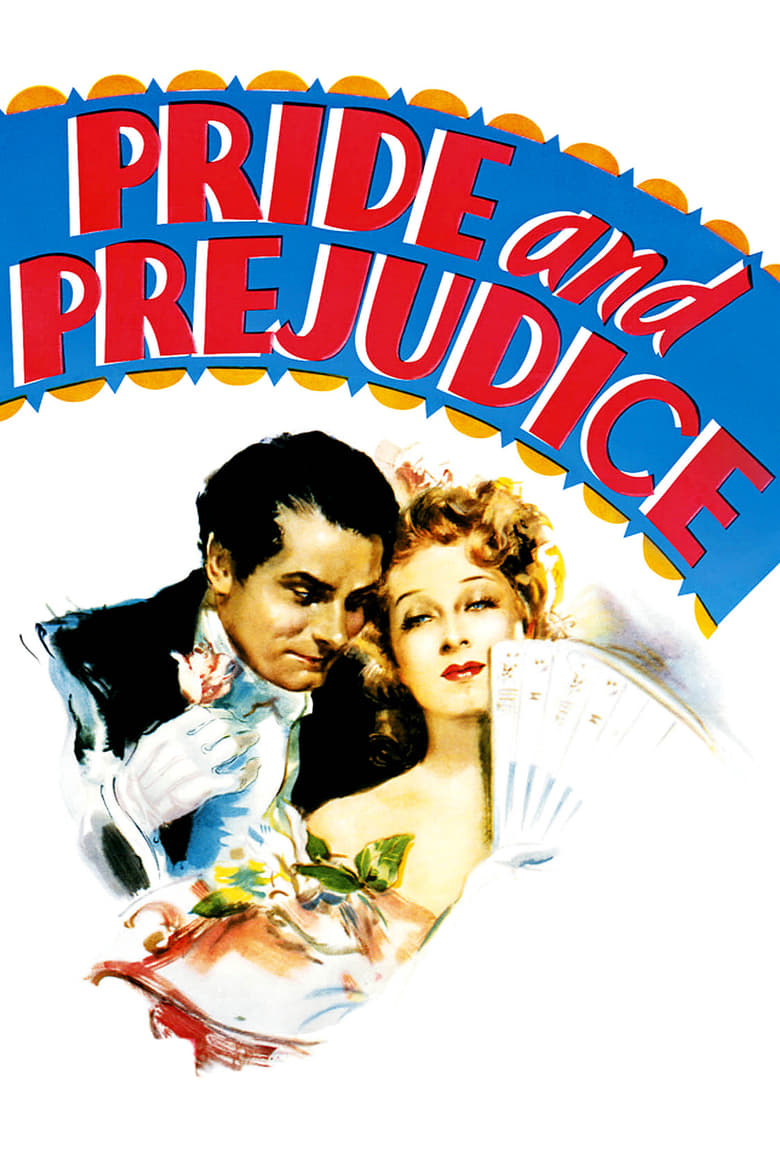
Movies like Pride & Prejudice include Pride and Prejudice (1940), Becoming Jane (2007) and Emma (1996). Of the 12 closest matches, several are comedies of manners, and most are enemies-to-lovers stories.
- Pride and PrejudiceSubject:
- Becoming JaneCharacters:
- EmmaStory type:
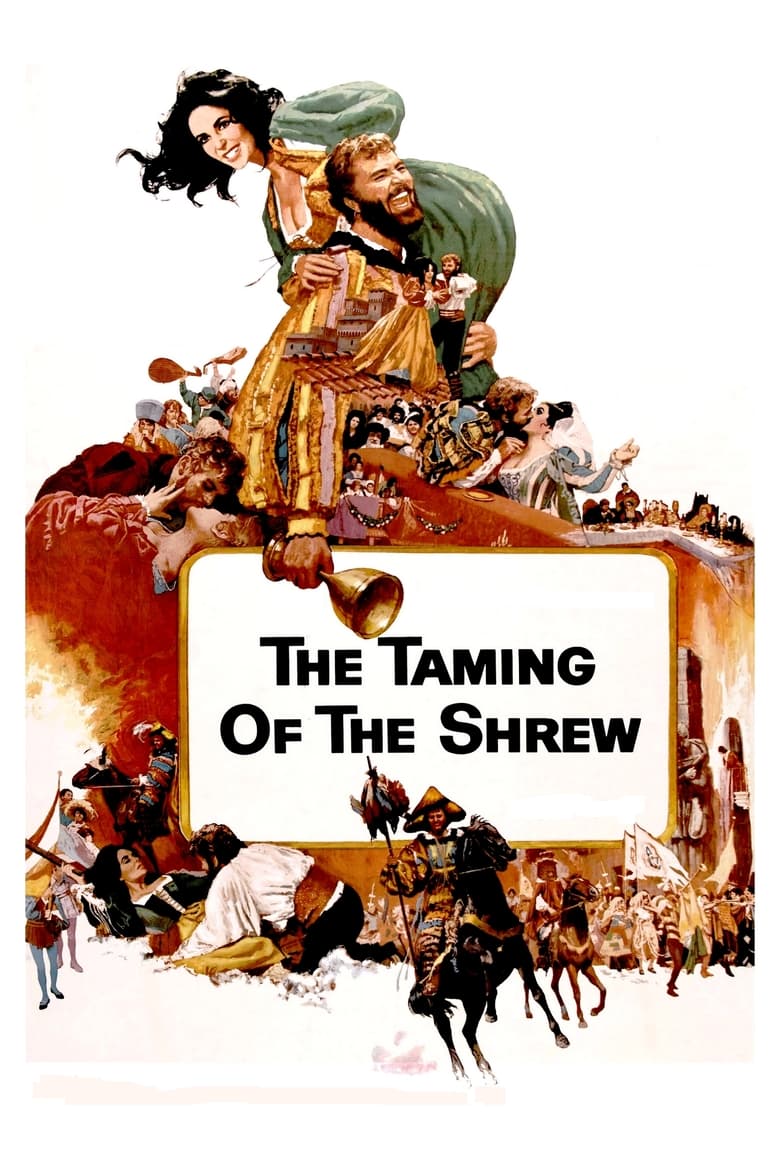
- The Taming of the ShrewSubject:
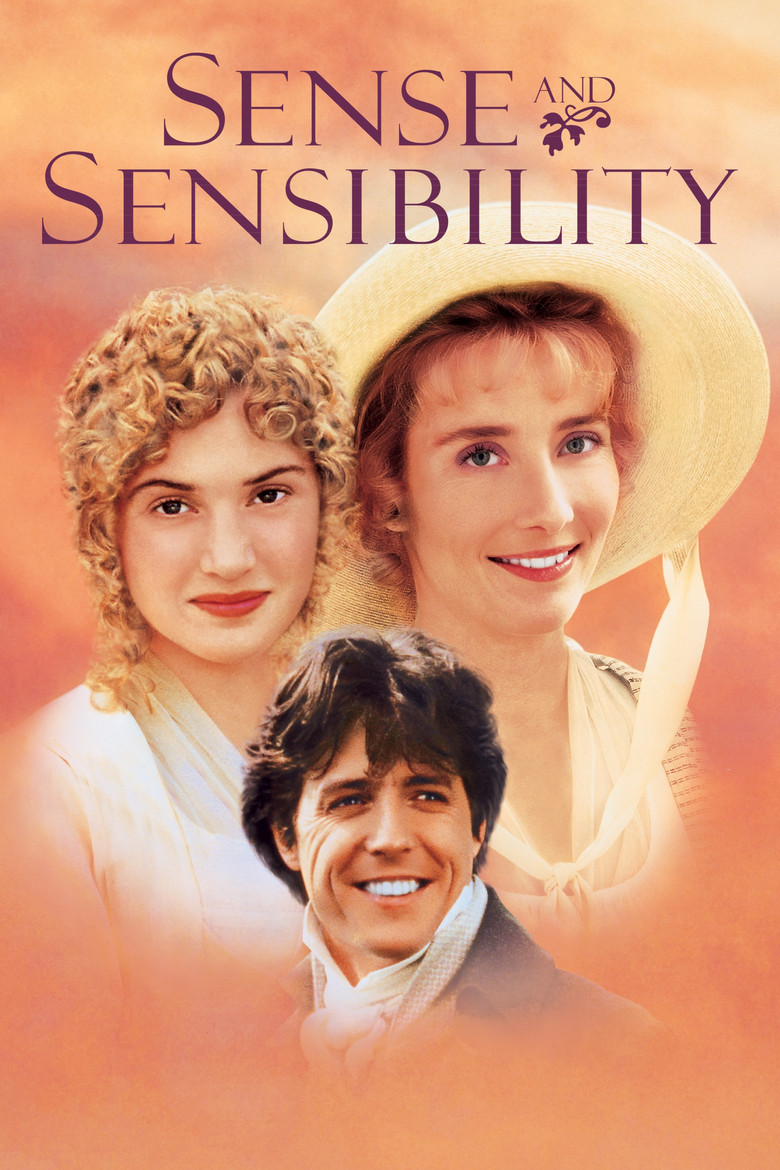
- Sense and SensibilityStory type:
- PersuasionFeel:
- Pride and Prejudice and ZombiesSubject:
- Love & FriendshipSubject:
- Tulip FeverPeople:
- Much Ado About NothingCharacters:
- Ticket to ParadiseFeel:
- Beauty and the BeastFeel:






Why this pick
Explore by
What else shares a premise, people or place with Pride & Prejudice?
1.4K other films share the rarest tag below, relationship: enemies to lovers. Each tag opens Browse with the films that share it.