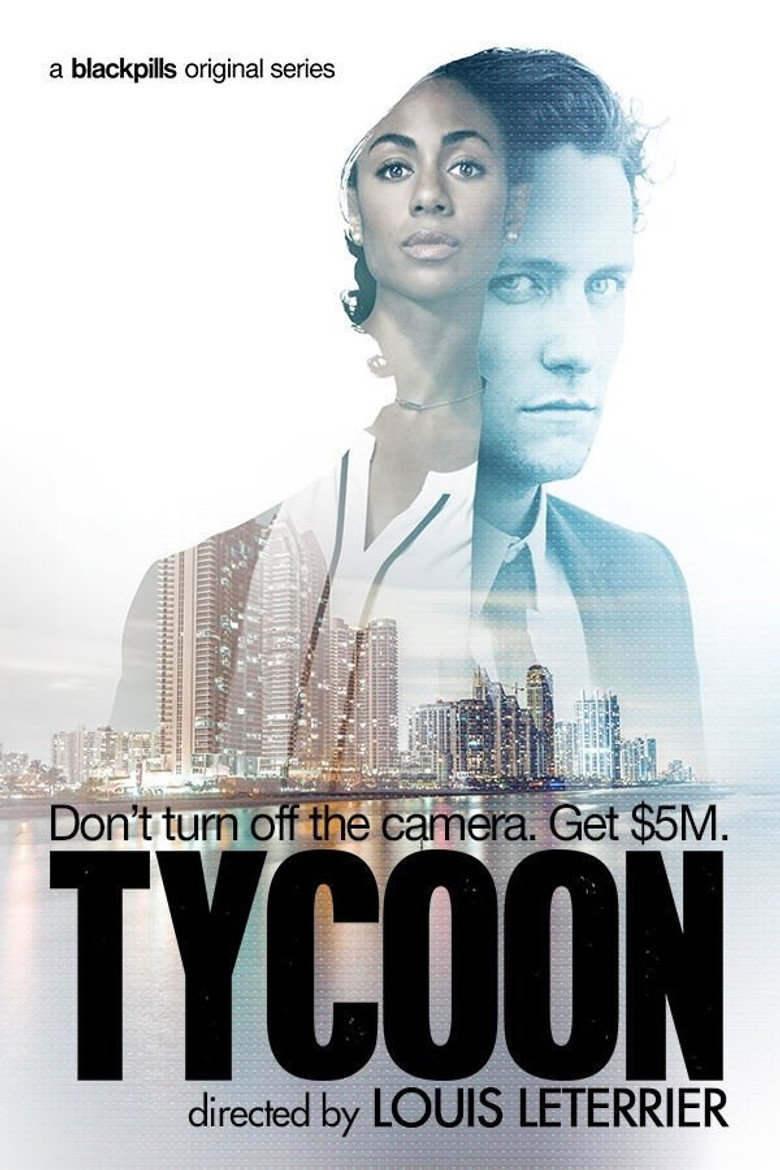
Story archetype where it sits among all films Monster — 21% of films. A threat menaces the hero's world and must be defeated. Rags — 3% of films. A rise from lowliness to fortune, status, or recognition. Quest — 10% of films. A journey toward a defined objective, with companions and obstacles. Voyage — 4% of films. Into a strange world and back again, changed. Comedy — 11% of films. Confusion and cross-purposes resolved into harmony. Tragedy — 9% of films. A flaw or fixation drives the protagonist to ruin. Rebirth — 13% of films. A stalled or darkened life reopened and renewed. Mystery — 7% of films. A question drives the story — who did it, what happened, what is real — until it is answered. No archetype — 22% of films Predator — 6% of films. A creature or killer hunts the protagonists (Jaws, Alien). Tyrant — 6% of films. A human villain holds power over the hero's world (Die Hard). Invasion — 2% of films. An external force attacks the home or world (Independence Day). Oppressive state — 2% of films. A government, its agencies or a secret faction inside them is the monster (V for Vendetta). Corporate villainy — 1% of films. A company or its bosses are the monster (Erin Brockovich). Institutional injustice — 1% of films. A court, prison, police force, school or church is itself the enemy (Spotlight). Class system — under 1% of films. The gap between rich and poor, or a rigid hierarchy, is the monster (Parasite). Technology turns — under 1% of films. Technology people rely on becomes the threat (The Terminator). Inner demon — 1% of films. The monster is within — addiction, illness, a dark double. Underdog triumph — 2% of films. Rise through competition or contest (Rocky). Social ascent — under 1% of films. A climb in class or status (Pretty Woman). Fame and fortune — under 1% of films. An artistic or showbiz rise (A Star Is Born). Rise and fall — under 1% of films. Wealth or power gained, self lost (Scarface). Hidden worth revealed — under 1% of films. The protagonist's true value finally recognized. Treasure hunt — 1% of films. Retrieve an object of value (Raiders of the Lost Ark). Rescue — 4% of films. Retrieve or save a person (Saving Private Ryan). Mission — 5% of films. Accomplish or destroy a defined objective (Mission: Impossible). Journey home — under 1% of films. The goal is getting back (Finding Nemo). Pilgrimage — 1% of films. The journey itself transforms; the destination is symbolic. Portal fantasy — under 1% of films. Transported into another world (The Wizard of Oz). Fish out of water — 2% of films. Displaced into an unfamiliar social world (Elf). Survival ordeal — 1% of films. Trapped in a hostile environment, fighting back (Cast Away). Time displacement — under 1% of films. Unstuck in time (Back to the Future). Descent — 1% of films. A night-journey into an underworld or subculture (After Hours). Romantic comedy — 4% of films. Lovers kept apart by confusion, united at last. Comedy of errors — 3% of films. Mistaken identity or misunderstanding drives the plot. Farce — 2% of films. Escalating absurd chaos and coincidence (The Hangover). Buddy comedy — 1% of films. A mismatched pair forced together (Rush Hour). Comedy of manners — 1% of films. Social codes and class satirized (Clueless). Hubris — 1% of films. Pride or ambition invites the fall (There Will Be Blood). Obsession — 2% of films. A fixation consumes the protagonist (Black Swan). Corruption arc — 2% of films. Step-by-step moral decay (The Godfather). Doomed love — 2% of films. Love destroyed by circumstance (Brokeback Mountain). Crushed by fate — 3% of films. Destroyed by forces beyond the protagonist's control. Redemption — 3% of films. Moral reawakening of a hardened soul (A Christmas Carol). Healing — 5% of films. Recovery from grief or trauma (Good Will Hunting). Liberation — 2% of films. Breaking free of a confining life (Room). Second chance — 2% of films. A stagnant life re-opened to love or purpose (Groundhog Day). Puzzle — 1% of films. A clue-by-clue puzzle you can try to solve before the reveal (Knives Out, Clue). Investigation — 5% of films. A long pursuit of the truth that may never be fully solved (Zodiac, Memories of Murder). Enigma — 2% of films. The mystery is what is real, or what is actually happening (Mulholland Drive). Monster Tyrant Every story archetype, clockwise from the top Monster 21% (this title) : Predator 6% · Tyrant 6% (this title) · Invasion 2% · Oppressive state 2% · Corporate villainy 1% · Institutional injustice 1% · Class system under 1% · Technology turns under 1% · Inner demon 1%Why this archetype Natalie enters a one-sided deal with Leroy Blake, a powerful figure who controls her decisions — a form of tyranny she must eventually overcome.
What it's about 7 groups · 53 themes Bonds — 27% of films Self — 22% of films Power — 7% of films Morality — 16% of films Survival — 15% of films Society — 9% of films Ideas — 5% of films Romantic love — 15% of films Marriage — 2% of films Family bonds — 21% of films Parenthood — 2% of films Friendship — 9% of films Loyalty — 4% of films Identity — 14% of films Coming of age — 5% of films Aging — under 1% of films Self-worth — 7% of films Ambition — 7% of films Purpose — 9% of films Memory — 3% of films Obsession — 3% of films. A fixation consumes the protagonist (Black Swan). Power — 2% of films Corruption — 3% of films Greed — 3% of films Class — 3% of films Oppression — 4% of films Freedom — 5% of films Justice — 13% of films Duty — 2% of films Revenge — 4% of films Guilt — 3% of films Redemption — 6% of films. Moral reawakening of a hardened soul (A Christmas Carol). Forgiveness — 1% of films Sacrifice — 4% of films Betrayal — 5% of films Deception — 9% of films Survival — 17% of films War — 1% of films Violence — 4% of films Mortality — 2% of films Grief — 6% of films Trauma — 7% of films Mental illness — 1% of films Addiction — 1% of films Illness and disability — under 1% of films Community — 14% of films. Consequences reach a town, institution or group. Isolation — 5% of films Prejudice — 3% of films Displacement — 1% of films Faith — 3% of films Tradition vs change — 2% of films Fame — 3% of films Legacy — 4% of films Fate — 1% of films Free will — under 1% of films Truth — 4% of films Hope — 5% of films Nature — 2% of films Art — 4% of films Technology — 1% of films Self Freedom Power Every theme, clockwise from the top Power 7% (this title) : Power 2% · Corruption 3% · Greed 3% · Class 3% · Oppression 4% · Freedom 5% (this title) Deception 9% (this title) Power
Freedom · 5% of films Deception · 9% of films
Interrogates its theme: Questions its theme without settling the answer. Intimate stakes: Consequences reach a person or a household. Single lead
How it treats its theme The film explores the price of surrendering personal autonomy for financial gain, and how hidden costs erode freedom.
Stance The film questions whether freedom can be traded for money, focusing on Natalie's personal conflict.
The world Contemporary Urban Domestic Realistic
Orchestral classical Supportive music · original score
Setting Miami, present day