
The Wizard of Oz
We're off to see the Wizard, the wonderful Wizard of Oz!
- Director
- Victor Fleming
- Starring
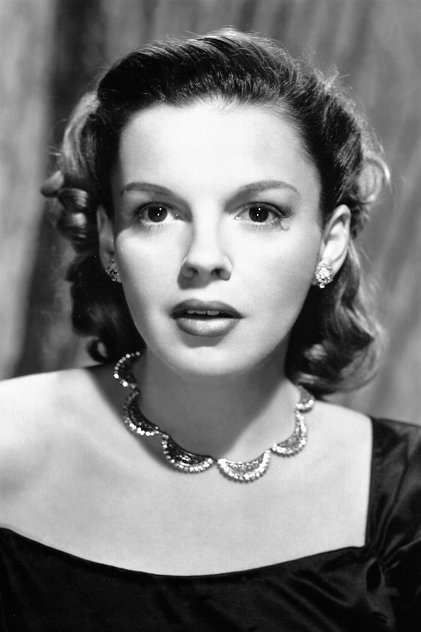
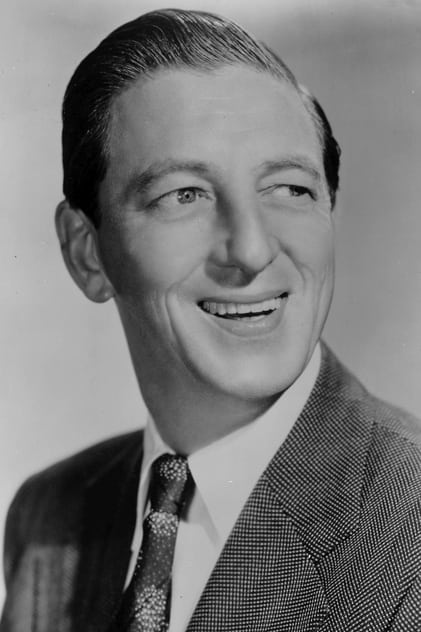
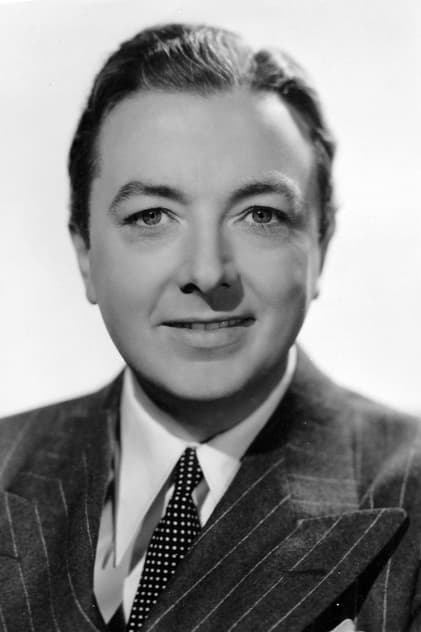
- Judy Garland, Ray Bolger, Jack Haley, Bert Lahr
Young Dorothy finds herself in a magical world where she makes friends with a lion, a scarecrow and a tin man as they make their way along the yellow brick road to talk with the Wizard and ask for the things they miss most in their lives. The Wicked Witch of the West is the only thing that could stop them.
Where to watch
Where can I watch The Wizard of Oz?
As of October 24, 2026, MovieCove lists The Wizard of Oz streaming on HBO Max and to rent or buy on Prime Video.
Subscription

Rent / Buy


Your rating, lists and review
Highlights
What stands out about The Wizard of Oz?
The Wizard of Oz earns 13 badges, led by Top 1% of the 1930s and Stood the test of time.
- Top 1% of the 1930s, Rank badge.99th percentile among 1930s films
- Stood the test of time, Reception badge.97th percentile Midcredits score, 87 years on
- Oscar Winner, Awards and box office badge.2 Oscars and 3 more nominations
- Top 5% of films, Rank badge.97th percentile Midcredits score
- Universally Loved, Reception badge.85% rated it 7 or higher
- Visual feast, Craft and mood badge.Praised by fans (100) and detractors (85)
- Standout soundtrack, Craft and mood badge.Reviews score it 95 of 100
- Box Office Hit, Awards and box office badge.Returned 9.2× its budget
Show 5 moreShow fewer
- Cultural touchstone, Reception badge.Among the most-seen films, 1.5M ratings
- Atmospheric, Craft and mood badge.Reviews score it 95 of 100
- Breakout role, Cast badge.Judy Garland's breakout
- Hopeful, Craft and mood badge.Leaves you hopeful
- Preferred by Over-30s, Reception badge.Over-30s scored it 12 points higher than under-30s
- Rank
- Reception
- Craft and mood
- Awards and box office
- Cast
Reception
Is The Wizard of Oz worth watching?
The Wizard of Oz's Midcredits score is the 97th percentile of all films, from 1.5M ratings across 6 sources. 85% liked it (rated it 7 or higher out of 10).
Midcredits score
97th percentile
Better received than 97% of films
80 /100
96th percentile of all films
Critics 92 · Audience 79
Rating distribution
votes at each rating level (1–10)
Most people land high, with a thin tail of low scores from those it didn't reach.
85% liked it
95th percentile of all films
Critics 98% · Audience 89%
Awards
2 Oscars won · 3 Oscar noms · 14 wins / 13 noms overall
- WonAcademy Awards· Best Music, Original Score
- WonAcademy Awards· Best Music, Original Song
99th percentile
1.5M ratings across platforms
Box office
Returned 9.2× its budget — 75th percentile earner in its genre.
What reviewers say
Common ground
The film is a landmark of Technicolor fantasy with iconic songs, characters, and a feel-good journey to a dreamlike world.
Fans praised
- timeless sepia-to-color transition
- Judy Garland's sincere, vulnerable Dorothy
- unforgettable songs and visual wonder
Detractors panned
- exaggerated, grating vaudeville-style acting
- simplistic, predictable plot with saccharine morals
- munchkin sequences and repetitive songs feel tedious
What stands out
Iconic score and songs like 'Over the Rainbow'; detractors find songs annoying
Stunning sepia-to-color transition, lavish Technicolor landscapes
Enchanting, immersive fantasy world; detractors see it as creepy/artificial
Groundbreaking Technicolor fantasy world; detractors call it derivative of Disney
Garland's transcendent warmth vs exaggerated, hammy performances
Iconic Scarecrow, Tin Man, Lion; detractors find them shallow
Impressive practical tornado and optical effects; detractors see dated sets
Simple but resonant journey; detractors see holes and predictability
Preferred by
Under-30s vs over-30s
Over-30s scored it 12 points higher than under-30s.
No notable difference between the other groups: each pair ranks it within 10 percentile points.
- Women vs men even
- Critics vs users 4 points apart
- US vs non-US 4 points apart
Watch experience
What is The Wizard of Oz like to watch?
Watch this when you want something warm that leaves you smiling.
What it asks of you
Very little.
What it feels like
Feel-good.
How it leaves you
Hopeful.
Story archetype
Every story archetype, clockwise from the top
- Monster 21%: Predator 6% · Tyrant 6% · Invasion 2% · Oppressive state 2% · Corporate villainy 1% · Institutional injustice 1% · Class system under 1% · Technology turns under 1% · Inner demon 1%
- Rags 3%: Underdog triumph 2% · Social ascent under 1% · Fame and fortune under 1% · Rise and fall under 1% · Hidden worth revealed under 1%
- Quest 10% (this title): Treasure hunt 1% · Rescue 4% · Mission 5% · Journey home under 1% (this title) · Pilgrimage 1%
- Voyage 4%: Portal fantasy under 1% · Fish out of water 2% · Survival ordeal 1% · Time displacement under 1% · Descent 1%
- Comedy 11%: Romantic comedy 4% · Comedy of errors 3% · Farce 2% · Buddy comedy 1% · Comedy of manners 1%
- Tragedy 9%: Hubris 1% · Obsession 2% · Corruption arc 2% · Doomed love 2% · Crushed by fate 3%
- Rebirth 13%: Redemption 3% · Healing 5% · Liberation 2% · Second chance 2%
- Mystery 7%: Puzzle 1% · Investigation 5% · Enigma 2%
- No archetype 22%
What it's about
Every theme, clockwise from the top
- Bonds 27% (this title): Romantic love 15% · Marriage 2% · Family bonds 21% (this title) · Parenthood 2% · Friendship 9% · Loyalty 4%
- Self 22%: Identity 14% · Coming of age 5% · Aging under 1% · Self-worth 7% (this title) · Ambition 7% · Purpose 9% · Memory 3% · Obsession 3%
- Power 7%: Power 2% · Corruption 3% · Greed 3% · Class 3% · Oppression 4% · Freedom 5%
- Morality 16%: Justice 13% · Duty 2% · Revenge 4% · Guilt 3% · Redemption 6% · Forgiveness 1% · Sacrifice 4% · Betrayal 5% · Deception 9%
- Survival 15%: Survival 17% · War 1% · Violence 4% · Mortality 2% · Grief 6% · Trauma 7% · Mental illness 1% · Addiction 1% · Illness and disability under 1%
- Society 9%: Community 14% · Isolation 5% · Prejudice 3% · Displacement 1% · Faith 3% · Tradition vs change 2% · Fame 3% · Legacy 4%
- Ideas 5%: Fate 1% · Free will under 1% · Truth 4% · Hope 5% (this title) · Nature 2% · Art 4% · Technology 1%
The world
Content guide
Is The Wizard of Oz okay for kids?
PGThe Wizard of Oz is rated PG. As of October 3, 2026, Midcredits content scores put its violence at mild (30/100), sexual content at minimal (9/100), language at minimal (5/100), drug and alcohol content at minimal (8/100) and frightening material at moderate (40/100). Overall it is heavier than 25% of PG-rated films.
Ratings in 21 other countriesRatings elsewhere
- UKU
- AustraliaG
- Germany0
- FranceTP
- IrelandG
- South KoreaALL
- BrazilL
- Belgium14
- DenmarkA
- FinlandK-12
- GreeceK
- HungaryKN
- ItalyT
- KZК
- MexicoB-15
- NetherlandsAL
- Norway12
- PortugalM/3
- South AfricaPG
- SwedenBtl
- THG
Point along a line to see a well-known title at that level.
Nothing here is extreme. The strongest element is frightening material, heavier than 59% of PG-rated films.
Source: Midcredits content scores, 0 (none) to 100 (severe) per category, with each standing ranked against other films that have them.
What content warnings does The Wizard of Oz have?
Not screened for content warnings yet.
Cast and crew
Who is in The Wizard of Oz?
Cast
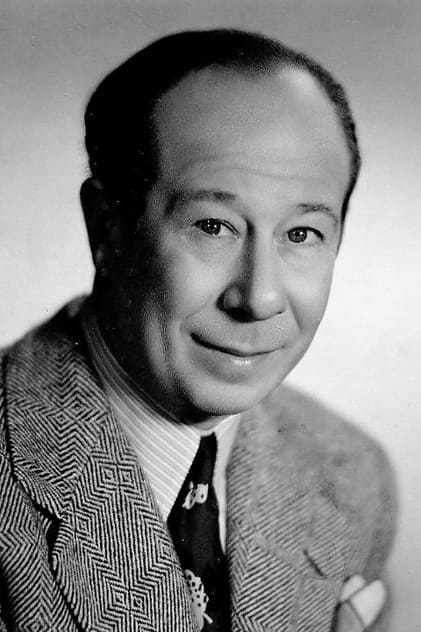
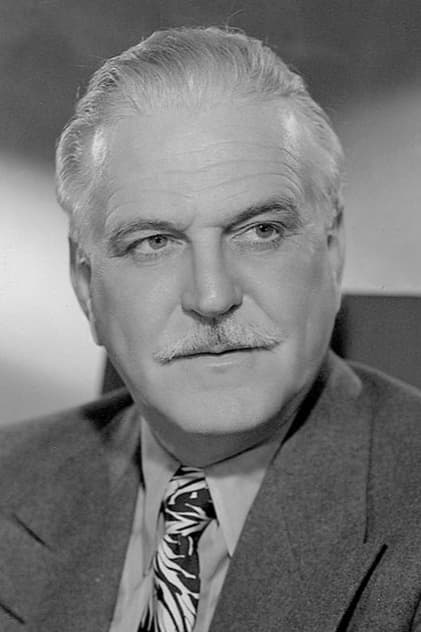
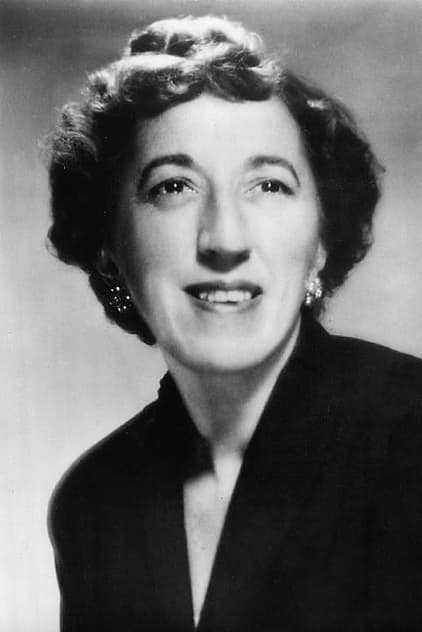
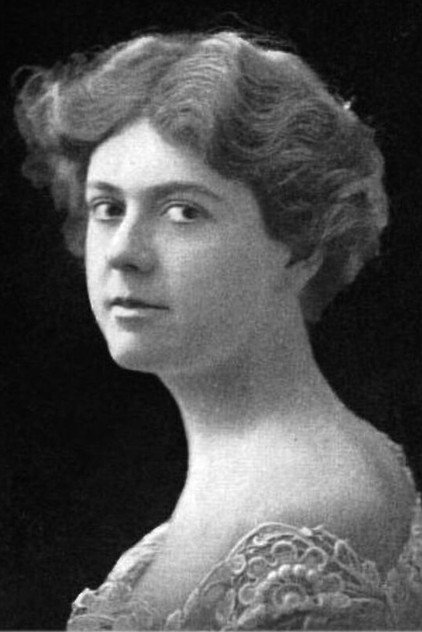
2 of the 10 billed cast had never appeared on screen.


Crew
Directed by
Cinematography
Edited by
Music by
Produced by
More like this
What are movies like The Wizard of Oz?
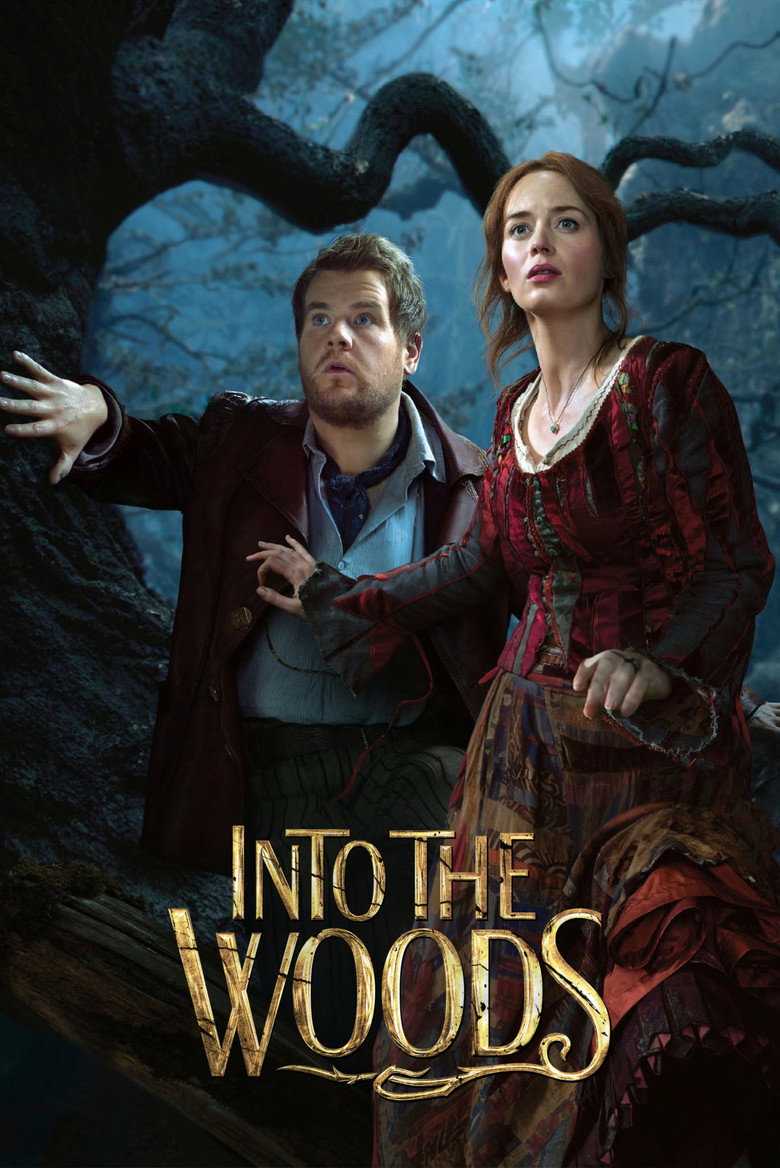
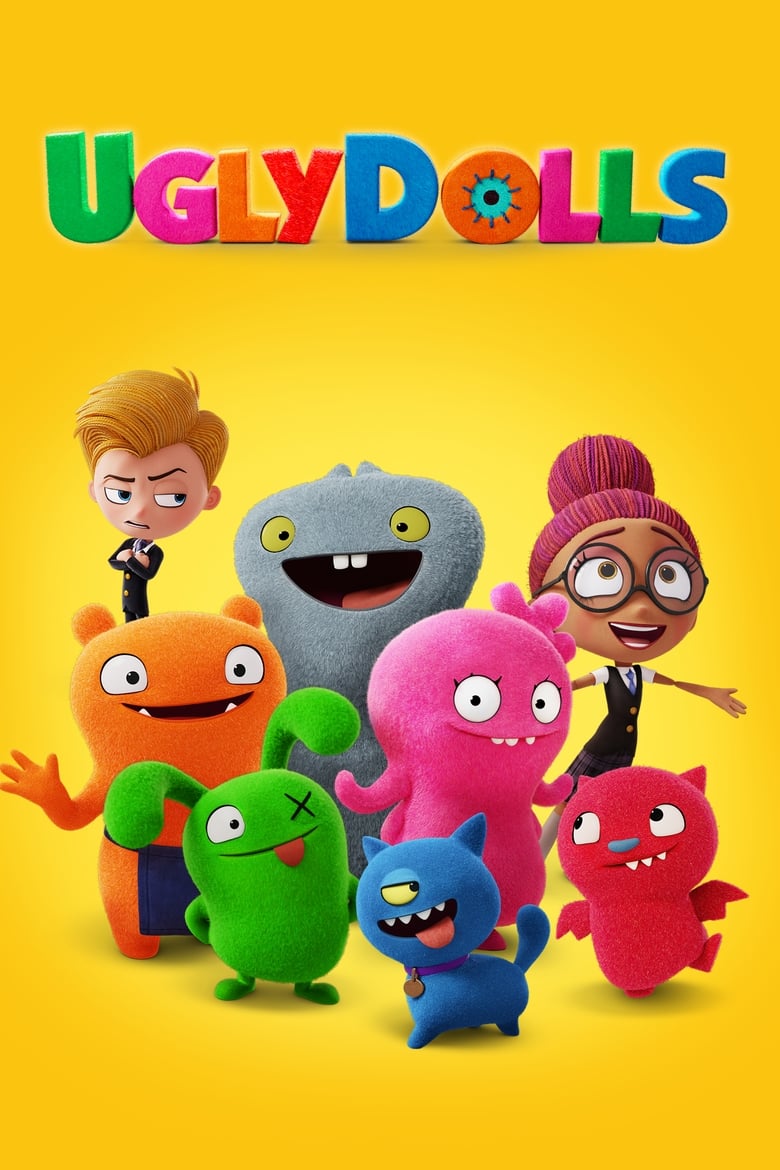
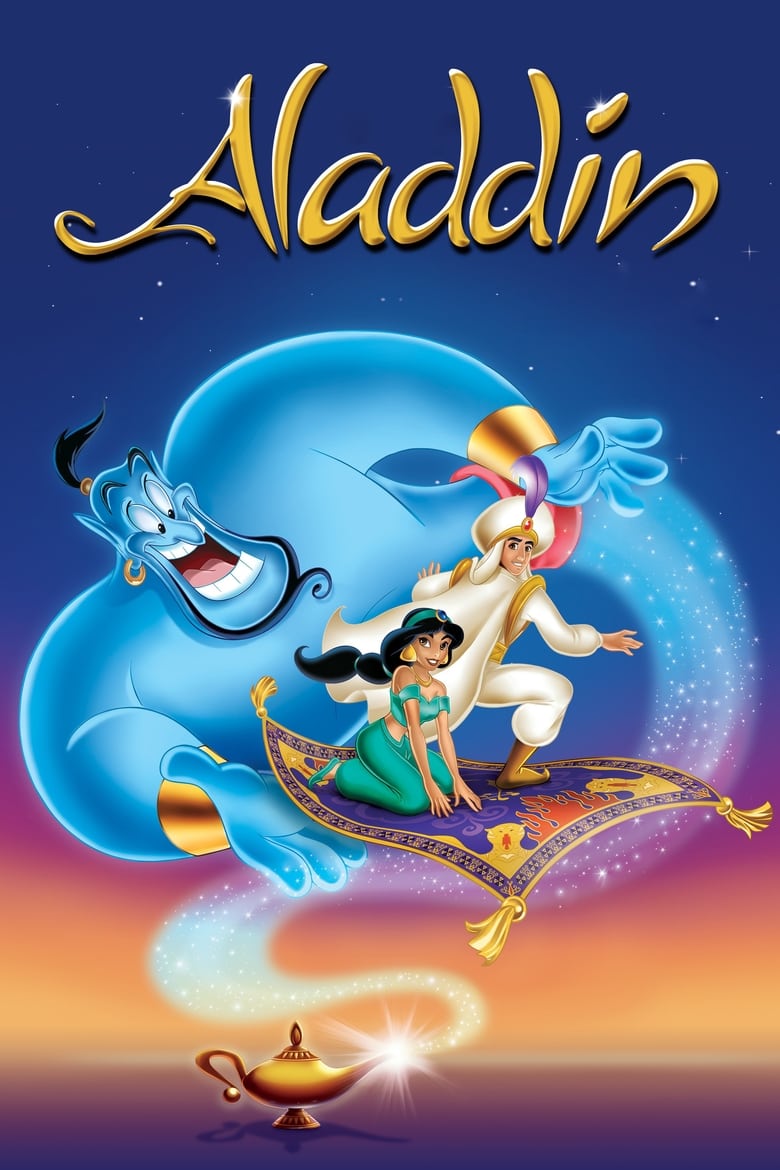
Movies like The Wizard of Oz include The Wiz (1978), Spellbound (2024) and Cinderella (1950). Of the 12 closest matches, most are films set in a fictional world, and most are musicals.
- The WizStory type:
- SpellboundSubject:
- CinderellaSubject:
- Yellow SubmarineReception:
- Snow White and the Seven DwarfsReception:
- Into the WoodsSubject:
- UglyDollsWorld:
- Trolls Band TogetherStory type:
- AladdinSubject:
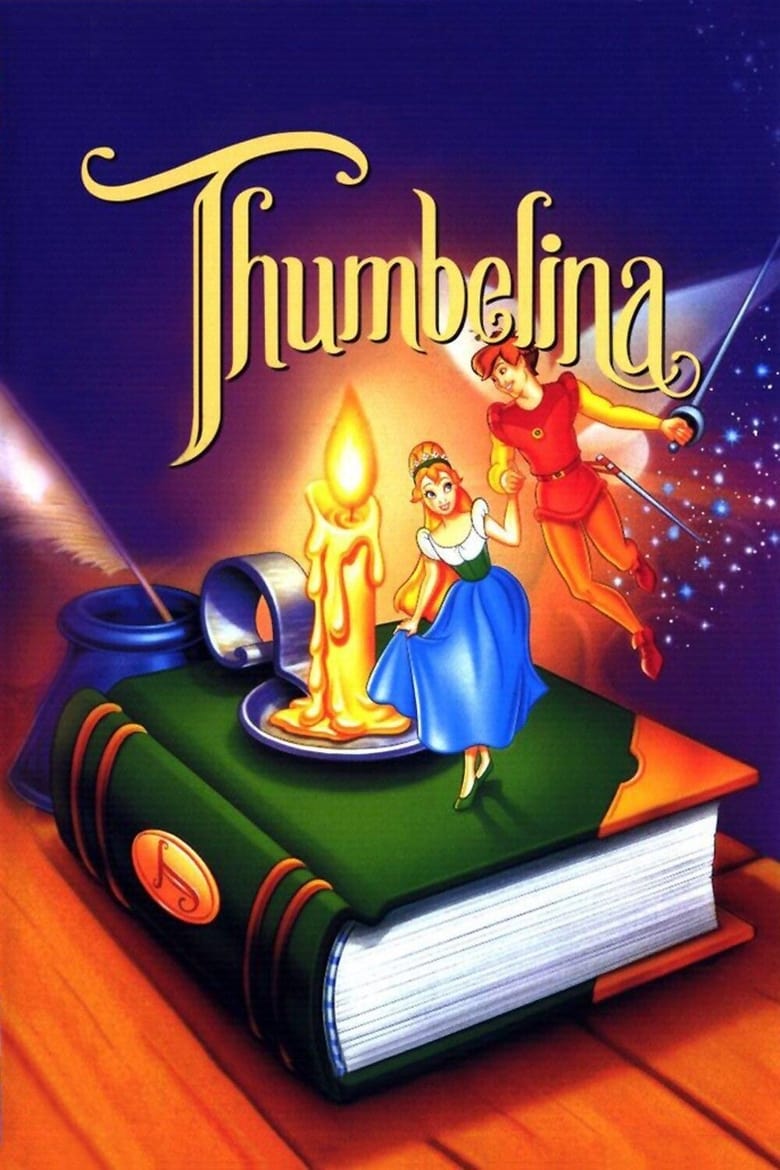
- ThumbelinaStory type:
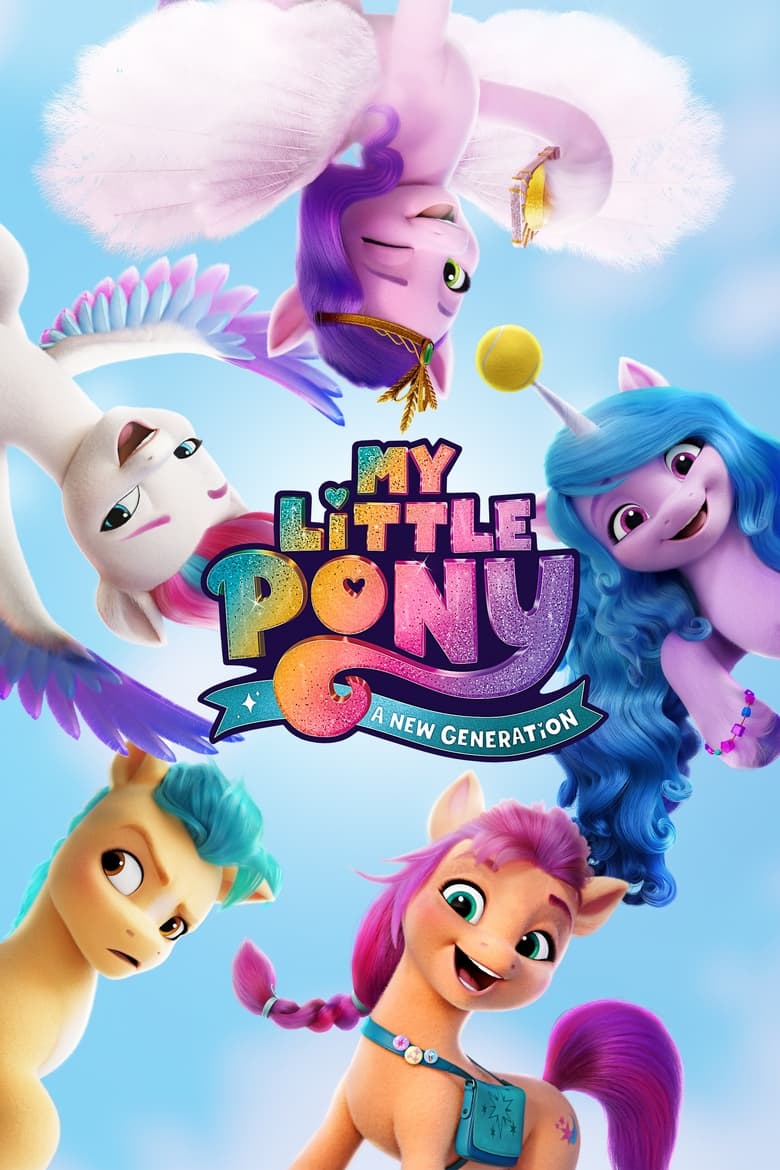
- My Little Pony: A New GenerationWorld:
- The NeverEnding StoryStory type:




Why this pick
Explore by
What else shares a premise, people or place with The Wizard of Oz?
405 other films share the rarest tag below, up against: magic user. Each tag opens Browse with the films that share it.