
The Help
Change begins with a whisper.
- Director
- Tate Taylor
- Starring
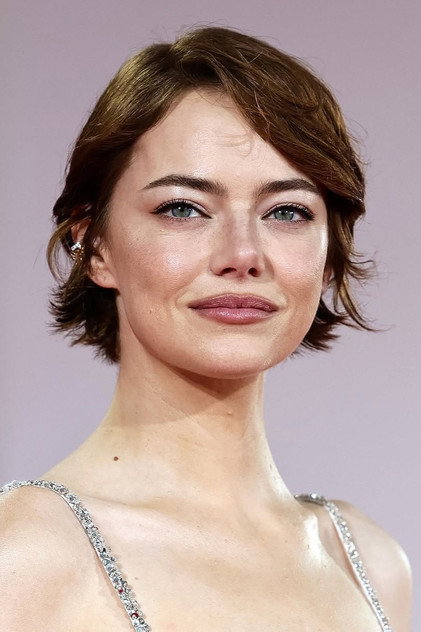
- Emma Stone, Viola Davis, Bryce Dallas Howard, Octavia Spencer
Aibileen Clark is a middle-aged African-American maid who has spent her life raising white children and has recently lost her only son; Minny Jackson is an African-American maid who has often offended her employers despite her family's struggles with money and her desperate need for jobs; and Eugenia "Skeeter" Phelan is a young white woman who has recently moved back home after graduating college to find out her childhood maid has mysteriously disappeared. These three stories intertwine to explain how life in Jackson, Mississippi revolves around "the help"; yet they are always kept at a certain distance because of racial lines.
Where to watch
Where can I watch The Help?
As of October 24, 2026, MovieCove lists The Help streaming on Prime Video, The Roku Channel (free) and Tubi (free) and to rent or buy on Apple TV and Prime Video.


Your rating, lists and review
Highlights
What stands out about The Help?
The Help earns 15 badges, led by Oscar Winner and Modern classic.
- Oscar Winner, Awards and box office badge.1 Oscar and 3 more nominations
- Modern classic, Reception badge.98th percentile Midcredits score, 15 years on
- Top 5% of films, Rank badge.98th percentile Midcredits score
- Universally Loved, Reception badge.91% rated it 7 or higher
- Awards magnet, Awards and box office badge.35 wins and 60 more nominations
- Standout acting, Craft and mood badge.Praised by fans (90) and detractors (70)
- Award-winning performances, Cast badge.Emma Stone and 6 more won for this film
- Breakout role, Cast badge.Emma Stone's breakout
Show 7 moreShow fewer
- Cultural touchstone, Reception badge.Among the most-seen films, 1.4M ratings
- Word-of-mouth hit, Awards and box office badge.Grossed 6.5× its opening weekend
- Audience favorite, Reception badge.Critics 62, audiences 81
- Box Office Hit, Awards and box office badge.Returned 8.9× its budget
- Before they were famous, Cast badge.Jessica Chastain: newcomer then, star now
- Hopeful, Craft and mood badge.Leaves you hopeful
- Big Budget, Awards and box office badge.$25M budget
- Rank
- Reception
- Craft and mood
- Awards and box office
- Cast
Reception
Is The Help worth watching?
The Help's Midcredits score is the 98th percentile of all films, from 1.4M ratings across 6 sources. 91% liked it (rated it 7 or higher out of 10).
Midcredits score
98th percentile
Better received than 98% of films
80 /100
96th percentile of all films
Critics 62 · Audience 81
Rating distribution
votes at each rating level (1–10)
Ratings pile up at 9–10 with almost no detractors — near-universal love.
91% liked it
98th percentile of all films
Critics 75% · Audience 89%
Awards
1 Oscars won · 3 Oscar noms · 35 wins / 60 noms overall
- WonAcademy Awards· Best Performance by an Actress in a Supporting Role
- NominatedAcademy Awards· Best Motion Picture of the Year
99th percentile
1.4M ratings across platforms
Box office
Returned 8.9× its budget — 99th percentile earner in its genre.
What reviewers say
Common ground
The Help is a well-acted, emotionally manipulative film that simplifies complex racial history into a safe, crowd-pleasing story.
Fans praised
- Outstanding ensemble acting led by Viola Davis and Octavia Spencer
- Balances humor and heartbreak for an emotionally engaging experience
- Reveals hidden stories of dignity and courage among black maids
Detractors panned
- White savior narrative centers a privileged protagonist over the maids
- Sanitized, sugarcoated depiction of racism avoids real brutality and danger
- Caricature villains and simplistic good-versus-evil framing
What stands out
Viola Davis's quiet power, Octavia Spencer's sass, Bryce Dallas Howard's villainy
Manipulative tearjerker that moves many but feels unearned to critics
Comedy (poo-pie scene, Sissy Spacek) lightens theme but divides audiences
Quotable lines ('You is kind...'), but sometimes preachy or cliché
Evokes 1960s Mississippi but feels too safe and polished
Some richly drawn (Aibileen, Minny, Celia), others one-note caricatures (Hilly, Skeeter)
Straightforward, predictable story lacking tension and historical depth
Recycles familiar civil-rights tropes and white-savior narrative
Preferred by
No notable difference between any of the groups: each pair ranks it within 10 percentile points.
- Women vs men 2 points apart
- Under-30s vs over-30s 2 points apart
- Critics vs users even
- US vs non-US 1 point apart
Watch experience
What is The Help like to watch?
Watch this when you want to be moved and come out lifted.
What it asks of you
Patience.
What it feels like
Moving and uplifting.
How it leaves you
Hopeful.
Story archetype
Every story archetype, clockwise from the top
- Monster 21%: Predator 6% · Tyrant 6% · Invasion 2% · Oppressive state 2% · Corporate villainy 1% · Institutional injustice 1% · Class system under 1% · Technology turns under 1% · Inner demon 1%
- Rags 3%: Underdog triumph 2% · Social ascent under 1% · Fame and fortune under 1% · Rise and fall under 1% · Hidden worth revealed under 1%
- Quest 10%: Treasure hunt 1% · Rescue 4% · Mission 5% · Journey home under 1% · Pilgrimage 1%
- Voyage 4%: Portal fantasy under 1% · Fish out of water 2% · Survival ordeal 1% · Time displacement under 1% · Descent 1%
- Comedy 11%: Romantic comedy 4% · Comedy of errors 3% · Farce 2% · Buddy comedy 1% · Comedy of manners 1%
- Tragedy 9%: Hubris 1% · Obsession 2% · Corruption arc 2% · Doomed love 2% · Crushed by fate 3%
- Rebirth 13% (this title): Redemption 3% · Healing 5% · Liberation 2% (this title) · Second chance 2%
- Mystery 7%: Puzzle 1% · Investigation 5% · Enigma 2%
- No archetype 22%
What it's about
Every theme, clockwise from the top
- Bonds 27%: Romantic love 15% · Marriage 2% · Family bonds 21% · Parenthood 2% · Friendship 9% · Loyalty 4%
- Self 22%: Identity 14% · Coming of age 5% · Aging under 1% · Self-worth 7% · Ambition 7% · Purpose 9% · Memory 3% · Obsession 3%
- Power 7%: Power 2% · Corruption 3% · Greed 3% · Class 3% · Oppression 4% · Freedom 5%
- Morality 16%: Justice 13% (this title) · Duty 2% · Revenge 4% · Guilt 3% · Redemption 6% · Forgiveness 1% · Sacrifice 4% · Betrayal 5% · Deception 9%
- Survival 15%: Survival 17% · War 1% · Violence 4% · Mortality 2% · Grief 6% · Trauma 7% · Mental illness 1% · Addiction 1% · Illness and disability under 1%
- Society 9% (this title): Community 14% · Isolation 5% · Prejudice 3% (this title) · Displacement 1% · Faith 3% · Tradition vs change 2% · Fame 3% · Legacy 4%
- Ideas 5%: Fate 1% · Free will under 1% · Truth 4% · Hope 5% (this title) · Nature 2% · Art 4% · Technology 1%
The world
Content guide
Is The Help okay for kids?
PG-13The Help is rated PG-13: “Rated PG-13 for thematic material” (MPAA). As of October 3, 2026, Midcredits content scores put its violence at moderate (37/100), sexual content at mild (20/100), language at moderate (54/100), drug and alcohol content at moderate (41/100) and frightening material at moderate (41/100). Overall it is heavier than 43% of PG-13-rated films.
Ratings in 23 other countriesRatings elsewhere
- UK12A
- CanadaPG
- AustraliaM
- Germany0
- FranceTP
- Ireland12A
- JapanG
- South KoreaAll
- Brazil12
- Belgium18
- Czechia15+
- Denmark7
- FinlandK-12
- Hungary12
- Netherlands12
- Norway9
- Poland12
- PortugalM/12
- RO12
- Russia16+
- SpainAPTA
- Sweden15
- Switzerland12
Point along a line to see a well-known title at that level.
Nothing here is extreme. The strongest element is language, heavier than 78% of PG-13-rated films.
Source: Midcredits content scores, 0 (none) to 100 (severe) per category, with each standing ranked against other films that have them.
What content warnings does The Help have?
Not screened for content warnings yet.
Cast and crew
Who is in The Help?
Cast
7 award-winning performances in the cast.


Crew
Directed by
Written by
Cinematography
Edited by
Music by
More like this
What are movies like The Help?
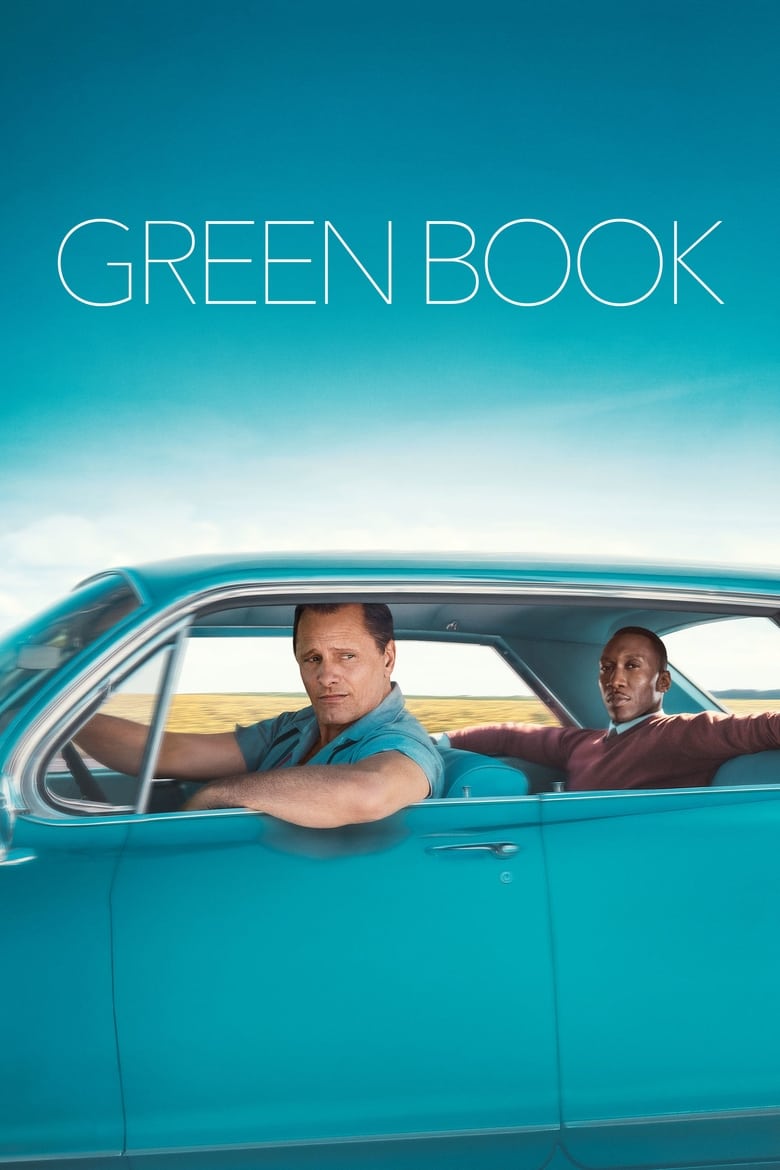
Movies like The Help include The Secret: Dare to Dream (2020), Mississippi Masala (1991) and Green Book (2018). Of the 12 closest matches, several are stories about writers, and several are liberation stories.
- The Secret: Dare to DreamStory type:
- Mississippi MasalaStory type:
- Green BookWorld:
- The Secret Life of BeesCharacters:
- Hidden FiguresCharacters:
- The Best of EnemiesReception:
- The Great DebatersCharacters:
- Saving Mr. BanksReception:
- The Door in the FloorFeel:
- The WifeCharacters:
- The Color PurpleCharacters:
- Mississippi BurningFeel:




Why this pick
Explore by
What else shares a premise, people or place with The Help?
1.8K other films share the rarest tag below, follows: journalist. Each tag opens Browse with the films that share it.