Skip to content
MovieCove
Miracle at Sage Creek

Miracle at Sage Creek

Two miracles for the price of one.

Two families overcome prejudice and tragedy in 1888 Wyoming when a special Christmas miracle saves the life of a small boy.

Where can I watch Miracle at Sage Creek?

As of October 24, 2026, MovieCove lists Miracle at Sage Creek streaming on Dove Channel via Prime Video and UP Faith & Family via Prime Video and to rent or buy on Apple TV.

Your rating, lists and review

What stands out about Miracle at Sage Creek?

Miracle at Sage Creek earns 5 badges, led by Cult Classic and Christmas pick.

  • Reception
  • Craft and mood
  • Awards and box office

Is Miracle at Sage Creek worth watching?

Miracle at Sage Creek's Midcredits score is the 33rd percentile of all films, from 712 ratings across 3 sources. 37% liked it (rated it 7 or higher out of 10).

Midcredits score

How well it was received

33rd percentile

Better received than 33% of films

49th percentile among Action33rd percentile among 2000s
Acclaim (how much people like it)35th
Approval (how many liked it)33rd

57 /100

35th percentile of all films

52nd percentile among Action35th percentile among 2000s

Rating distribution

Ratings scatter across the whole scale — one of the most divisive reactions in the catalog.

37% liked it

33rd percentile of all films

48th percentile among Action31st percentile among 2000s
37% rated it 7–1063% rated it 1–6

Awards

0 Oscars won · 0 Oscar noms · 1 wins / 1 noms overall

34th percentile

712 ratings across platforms

21st percentile among Action26th percentile among 2000s
TMDB popularity, last 37 days to Oct 26Down 45% in 30 days

Box office

Budget$3.5M

What reviewers say

Common ground

The film is a wholesome, family-oriented Western with strong values, but suffers from a sluggish start and uneven pacing.

Fans praised

  • authentic period detail in costumes, sets, and firearms
  • strong family themes and clean content
  • cinematography and musical score regarded as superb

Detractors panned

  • poorly written script with underdeveloped characters
  • unrealistic action sequences and distracting sound effects
  • misleading Wyoming setting due to Arizona filming

What stands out

CinematographyDivisive80

gorgeous scenery and well-shot visuals

Sound and musicDivisive75

fine score adds atmosphere, but occasional sound issues

ActingDivisive70

performances widely praised by fans; occasional criticism from detractors

Emotional impactDivisive60

moved some viewers, but others felt indifferent

Plot and storyDivisive55

predictable and clichéd but with a heartfelt story

CharactersDivisive45

underdeveloped and too many characters detractors say

PacingDivisive35

slow start and dull stretches

OriginalityDivisive30

derivative of classic westerns and family films

What is Miracle at Sage Creek like to watch?

Conclusions only — categories and positions, no plot detail.

Watch this when you want something warm that leaves you smiling.

It takes its time and leaves you feeling good. Skip it when you want things to move fast.

ToneFeelDemandwhat the answer rests onexact position · filled zone: the category

What it feels like

Feel-good.

Moods
HopefulMelancholic
Heaviest: late
Register
WarmSentimental · 8% of films
Told as
Three-act: Setup, confrontation, resolution — the default Hollywood shape.
ToneThe film treats its Christmas miracle and themes of reconciliation with earnest warmth, never undercutting the emotional moments.
The rideThe film maintains a serene, slow-burn emotional register with a melancholic undercurrent from tragedy, building toward a hopeful resolution at the end (the Christmas miracle).
StructureTold in a straightforward chronological order with no structural experiments.

How it leaves you

what you carry away

Feeling good.

The answer rests on this: Feel-goodHopeful
Why it leaves you this wayThe film ends on a warm Christmas note, leaving the viewer with a sense of goodwill and hope for reconciliation.
How it ends · evidence
Happy ending

Story archetype

where it sits among all films
Monster — 21% of films. A threat menaces the hero's world and must be defeated.Rags — 3% of films. A rise from lowliness to fortune, status, or recognition.Quest — 10% of films. A journey toward a defined objective, with companions and obstacles.Voyage — 4% of films. Into a strange world and back again, changed.Comedy — 11% of films. Confusion and cross-purposes resolved into harmony.Tragedy — 9% of films. A flaw or fixation drives the protagonist to ruin.Rebirth — 13% of films. A stalled or darkened life reopened and renewed.Mystery — 7% of films. A question drives the story — who did it, what happened, what is real — until it is answered.No archetype — 22% of filmsPredator — 6% of films. A creature or killer hunts the protagonists (Jaws, Alien).Tyrant — 6% of films. A human villain holds power over the hero's world (Die Hard).Invasion — 2% of films. An external force attacks the home or world (Independence Day).Oppressive state — 2% of films. A government, its agencies or a secret faction inside them is the monster (V for Vendetta).Corporate villainy — 1% of films. A company or its bosses are the monster (Erin Brockovich).Institutional injustice — 1% of films. A court, prison, police force, school or church is itself the enemy (Spotlight).Class system — under 1% of films. The gap between rich and poor, or a rigid hierarchy, is the monster (Parasite).Technology turns — under 1% of films. Technology people rely on becomes the threat (The Terminator).Inner demon — 1% of films. The monster is within — addiction, illness, a dark double.Underdog triumph — 2% of films. Rise through competition or contest (Rocky).Social ascent — under 1% of films. A climb in class or status (Pretty Woman).Fame and fortune — under 1% of films. An artistic or showbiz rise (A Star Is Born).Rise and fall — under 1% of films. Wealth or power gained, self lost (Scarface).Hidden worth revealed — under 1% of films. The protagonist's true value finally recognized.Treasure hunt — 1% of films. Retrieve an object of value (Raiders of the Lost Ark).Rescue — 4% of films. Retrieve or save a person (Saving Private Ryan).Mission — 5% of films. Accomplish or destroy a defined objective (Mission: Impossible).Journey home — under 1% of films. The goal is getting back (Finding Nemo).Pilgrimage — 1% of films. The journey itself transforms; the destination is symbolic.Portal fantasy — under 1% of films. Transported into another world (The Wizard of Oz).Fish out of water — 2% of films. Displaced into an unfamiliar social world (Elf).Survival ordeal — 1% of films. Trapped in a hostile environment, fighting back (Cast Away).Time displacement — under 1% of films. Unstuck in time (Back to the Future).Descent — 1% of films. A night-journey into an underworld or subculture (After Hours).Romantic comedy — 4% of films. Lovers kept apart by confusion, united at last.Comedy of errors — 3% of films. Mistaken identity or misunderstanding drives the plot.Farce — 2% of films. Escalating absurd chaos and coincidence (The Hangover).Buddy comedy — 1% of films. A mismatched pair forced together (Rush Hour).Comedy of manners — 1% of films. Social codes and class satirized (Clueless).Hubris — 1% of films. Pride or ambition invites the fall (There Will Be Blood).Obsession — 2% of films. A fixation consumes the protagonist (Black Swan).Corruption arc — 2% of films. Step-by-step moral decay (The Godfather).Doomed love — 2% of films. Love destroyed by circumstance (Brokeback Mountain).Crushed by fate — 3% of films. Destroyed by forces beyond the protagonist's control.Redemption — 3% of films. Moral reawakening of a hardened soul (A Christmas Carol).Healing — 5% of films. Recovery from grief or trauma (Good Will Hunting).Liberation — 2% of films. Breaking free of a confining life (Room).Second chance — 2% of films. A stagnant life re-opened to love or purpose (Groundhog Day).Puzzle — 1% of films. A clue-by-clue puzzle you can try to solve before the reveal (Knives Out, Clue).Investigation — 5% of films. A long pursuit of the truth that may never be fully solved (Zodiac, Memories of Murder).Enigma — 2% of films. The mystery is what is real, or what is actually happening (Mulholland Drive).RebirthHealing
Every story archetype, clockwise from the top
  • Monster 21%: Predator 6% · Tyrant 6% · Invasion 2% · Oppressive state 2% · Corporate villainy 1% · Institutional injustice 1% · Class system under 1% · Technology turns under 1% · Inner demon 1%
  • Rags 3%: Underdog triumph 2% · Social ascent under 1% · Fame and fortune under 1% · Rise and fall under 1% · Hidden worth revealed under 1%
  • Quest 10%: Treasure hunt 1% · Rescue 4% · Mission 5% · Journey home under 1% · Pilgrimage 1%
  • Voyage 4%: Portal fantasy under 1% · Fish out of water 2% · Survival ordeal 1% · Time displacement under 1% · Descent 1%
  • Comedy 11%: Romantic comedy 4% · Comedy of errors 3% · Farce 2% · Buddy comedy 1% · Comedy of manners 1%
  • Tragedy 9%: Hubris 1% · Obsession 2% · Corruption arc 2% · Doomed love 2% · Crushed by fate 3%
  • Rebirth 13% (this title): Redemption 3% · Healing 5% (this title) · Liberation 2% · Second chance 2%
  • Mystery 7%: Puzzle 1% · Investigation 5% · Enigma 2%
  • No archetype 22%

Rebirth: A stalled or darkened life reopened and renewed. · Healing: Recovery from grief or trauma (Good Will Hunting).

13% of films fit this archetype

A loose fit — the map only half-holds this one.

Why this archetypeTwo families overcome prejudice and tragedy through a Christmas miracle, focusing on healing old wounds and finding reconciliation.

What it's about

7 groups · 53 themes
Bonds — 27% of filmsSelf — 22% of filmsPower — 7% of filmsMorality — 16% of filmsSurvival — 15% of filmsSociety — 9% of filmsIdeas — 5% of filmsRomantic love — 15% of filmsMarriage — 2% of filmsFamily bonds — 21% of filmsParenthood — 2% of filmsFriendship — 9% of filmsLoyalty — 4% of filmsIdentity — 14% of filmsComing of age — 5% of filmsAging — under 1% of filmsSelf-worth — 7% of filmsAmbition — 7% of filmsPurpose — 9% of filmsMemory — 3% of filmsObsession — 3% of films. A fixation consumes the protagonist (Black Swan).Power — 2% of filmsCorruption — 3% of filmsGreed — 3% of filmsClass — 3% of filmsOppression — 4% of filmsFreedom — 5% of filmsJustice — 13% of filmsDuty — 2% of filmsRevenge — 4% of filmsGuilt — 3% of filmsRedemption — 6% of films. Moral reawakening of a hardened soul (A Christmas Carol).Forgiveness — 1% of filmsSacrifice — 4% of filmsBetrayal — 5% of filmsDeception — 9% of filmsSurvival — 17% of filmsWar — 1% of filmsViolence — 4% of filmsMortality — 2% of filmsGrief — 6% of filmsTrauma — 7% of filmsMental illness — 1% of filmsAddiction — 1% of filmsIllness and disability — under 1% of filmsCommunity — 14% of films. Consequences reach a town, institution or group.Isolation — 5% of filmsPrejudice — 3% of filmsDisplacement — 1% of filmsFaith — 3% of filmsTradition vs change — 2% of filmsFame — 3% of filmsLegacy — 4% of filmsFate — 1% of filmsFree will — under 1% of filmsTruth — 4% of filmsHope — 5% of filmsNature — 2% of filmsArt — 4% of filmsTechnology — 1% of filmsSelfFamilybonds
Every theme, clockwise from the top
  • Bonds 27% (this title): Romantic love 15% · Marriage 2% · Family bonds 21% (this title) · Parenthood 2% · Friendship 9% · Loyalty 4%
  • Self 22%: Identity 14% · Coming of age 5% · Aging under 1% · Self-worth 7% · Ambition 7% · Purpose 9% · Memory 3% · Obsession 3%
  • Power 7%: Power 2% · Corruption 3% · Greed 3% · Class 3% · Oppression 4% · Freedom 5%
  • Morality 16%: Justice 13% · Duty 2% · Revenge 4% · Guilt 3% · Redemption 6% · Forgiveness 1% · Sacrifice 4% · Betrayal 5% · Deception 9%
  • Survival 15%: Survival 17% · War 1% · Violence 4% · Mortality 2% · Grief 6% · Trauma 7% · Mental illness 1% · Addiction 1% · Illness and disability under 1%
  • Society 9%: Community 14% · Isolation 5% · Prejudice 3% (this title) · Displacement 1% · Faith 3% (this title) · Tradition vs change 2% · Fame 3% · Legacy 4%
  • Ideas 5%: Fate 1% · Free will under 1% · Truth 4% · Hope 5% · Nature 2% · Art 4% · Technology 1%

Bonds

Family bondsPrejudice · 3% of filmsFaith · 3% of films
Celebrates its theme: Affirms its theme — this is good and worth having.Community stakes: Consequences reach a town, institution or group.Ensemble lead
How it treats its themeThe film explores how two families bridge racial and personal divides to protect a child, with themes of prejudice and faith woven into the Christmas setting.
StanceThe film celebrates the power of family and community to overcome prejudice, with a Christmas miracle as a clear affirmation of faith and togetherness.

The world

19th centuryRuralWildernessRealistic
Orchestral classicalFolkSupportive music · original score · James Intveld, Michael Turner
Setting1880s Wyoming territory, shot in southeastern Arizona for budget reasons
MusicThe score by Intveld and Turner is described as 'venerable' and helps reinforce the reverent, heartfelt tone.

Is Miracle at Sage Creek okay for kids?

PG

Miracle at Sage Creek is rated PG.

No detailed content scores for this title yet.

What content warnings does Miracle at Sage Creek have?

Not screened for content warnings yet.

Who is in Miracle at Sage Creek?

What are movies like Miracle at Sage Creek?

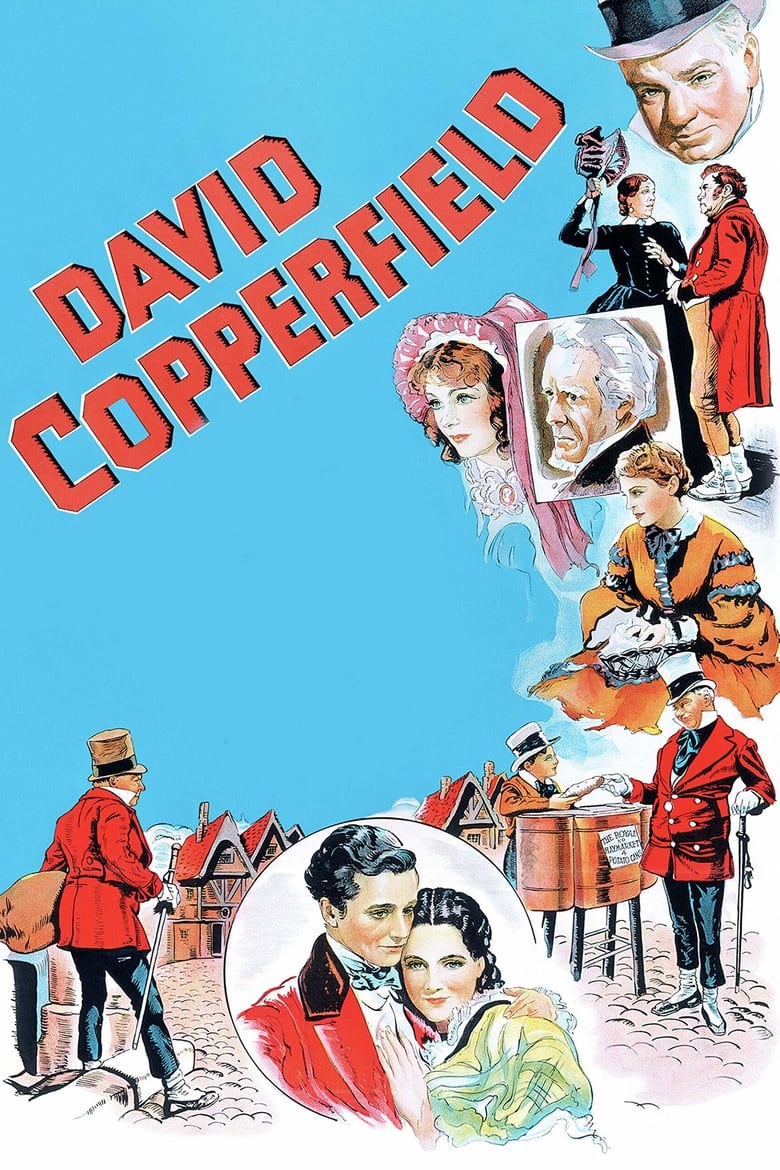
Movies like Miracle at Sage Creek include Hondo (1953), David Copperfield (1935) and Dances with Wolves (1990). Of the 12 closest matches, all are period dramas, and most are films set in the 19th century.

Balanced: every group counts the same, and production only breaks ties.

5 of these 12 share its world: western. Those cards say what else they share.

What else shares a premise, people or place with Miracle at Sage Creek?

1.8K other films share the rarest tag below, follows: aging hero. Each tag opens Browse with the films that share it.