
Harry Potter and the Order of the Phoenix
The rebellion begins.
- Director
- David Yates
- Starring
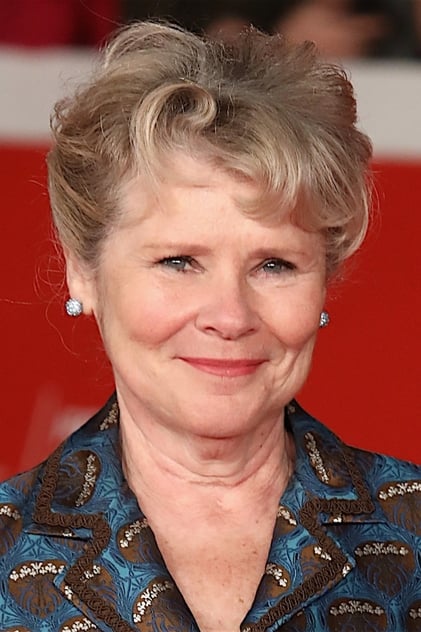
- Daniel Radcliffe, Rupert Grint, Emma Watson, Imelda Staunton
Returning for his fifth year at Hogwarts, Harry is stunned to find that his warnings about the return of Lord Voldemort have been ignored. Left with no choice, Harry takes matters into his own hands, training a small group of motivated students to defend themselves against the Dark Arts.
Where to watch
Where can I watch Harry Potter and the Order of the Phoenix?
As of October 24, 2026, MovieCove lists Harry Potter and the Order of the Phoenix streaming on HBO Max and Peacock and to rent or buy on Apple TV and Prime Video.
Subscription


Your rating, lists and review
Highlights
What stands out about Harry Potter and the Order of the Phoenix?
Harry Potter and the Order of the Phoenix earns 8 badges, led by Universally Loved and Top 5% in Adventure.
- Universally Loved, Reception badge.83% rated it 7 or higher
- Top 5% in Adventure, Rank badge.95th percentile among Adventure films
- Top 10% of films, Rank badge.94th percentile Midcredits score
- Star-studded, Cast badge.5 of the billed cast already had a top-10% actor's standing
- Box Office Hit, Awards and box office badge.Returned 6.3× its budget
- Award Winner, Awards and box office badge.14 wins and 50 more nominations
- Bittersweet, Craft and mood badge.Leaves you bittersweet
- Big Budget, Awards and box office badge.$150M budget
- Rank
- Reception
- Craft and mood
- Awards and box office
- Cast
Reception
Is Harry Potter and the Order of the Phoenix worth watching?
Harry Potter and the Order of the Phoenix's Midcredits score is the 94th percentile of all films, from 3.1M ratings across 6 sources. 83% liked it (rated it 7 or higher out of 10).
Midcredits score
94th percentile
Better received than 94% of films
76 /100
92nd percentile of all films
Critics 71 · Audience 76
Rating distribution
votes at each rating level (1–10)
A broad spread centered near 7.7 — solid but not unanimous.
83% liked it
93rd percentile of all films
Critics 78% · Audience 81%
Awards
0 Oscars won · 0 Oscar noms · 14 wins / 50 noms overall
- NominatedBAFTA Awards· Best Production Design
- NominatedBAFTA Awards· Best Special Visual Effects
83rd percentile
3.1M ratings across platforms
Box office
Returned 6.3× its budget — 98th percentile earner in its genre.
What reviewers say
Common ground
Both fans and detractors agree the film is a heavily condensed, fast-paced adaptation of a very long book that prioritizes key plot beats over depth.
Fans praised
- Imelda Staunton's brilliantly detestable Dolores Umbridge
- Darker, more mature tone that suits the escalating stakes
- Compelling portrayal of Harry's emotional turmoil and growth
Detractors panned
- Overstuffed, rushed adaptation that sacrifices coherence
- Sirius Black's death feels abrupt and emotionally flat
- Underdeveloped supporting characters and truncated subplots
What stands out
Visually impressive finale and magical duels; Grawp CGI panned
Imelda Staunton and Helena Bonham Carter steal scenes; Daniel Radcliffe matures; some younger cast criticized as uneven
Oppressive, paranoid tone successfully conveys looming war
Umbridge's reign generates dread; climax lacks sustained suspense
Sirius's death and Harry's breakdown resonate for some, rushed for others
Umbridge vividly realized; Sirius and Ginny underdeveloped; Ron and Hermione reduced
Choppy narrative, major omissions cause confusion for non-readers
Rushed first half, montage-heavy, but brisk finale
Preferred by
No notable difference between any of the groups: each pair ranks it within 10 percentile points.
- Women vs men 9 points apart
- Under-30s vs over-30s 7 points apart
- Critics vs users 1 point apart
- US vs non-US 1 point apart
Watch experience
What is Harry Potter and the Order of the Phoenix like to watch?
Watch this when you are ready for heavy feelings, and you want something tense that holds you to the end.
What it asks of you
Room for heavy feelings.
What it feels like
Tense and gripping.
How it leaves you
Bittersweet.
Story archetype
Every story archetype, clockwise from the top
- Monster 21%: Predator 6% · Tyrant 6% · Invasion 2% · Oppressive state 2% · Corporate villainy 1% · Institutional injustice 1% · Class system under 1% · Technology turns under 1% · Inner demon 1%
- Rags 3%: Underdog triumph 2% · Social ascent under 1% · Fame and fortune under 1% · Rise and fall under 1% · Hidden worth revealed under 1%
- Quest 10% (this title): Treasure hunt 1% · Rescue 4% (this title) · Mission 5% · Journey home under 1% · Pilgrimage 1%
- Voyage 4%: Portal fantasy under 1% · Fish out of water 2% · Survival ordeal 1% · Time displacement under 1% · Descent 1%
- Comedy 11%: Romantic comedy 4% · Comedy of errors 3% · Farce 2% · Buddy comedy 1% · Comedy of manners 1%
- Tragedy 9%: Hubris 1% · Obsession 2% · Corruption arc 2% · Doomed love 2% · Crushed by fate 3%
- Rebirth 13%: Redemption 3% · Healing 5% · Liberation 2% · Second chance 2%
- Mystery 7%: Puzzle 1% · Investigation 5% · Enigma 2%
- No archetype 22%
What it's about
Every theme, clockwise from the top
- Bonds 27%: Romantic love 15% · Marriage 2% · Family bonds 21% · Parenthood 2% · Friendship 9% · Loyalty 4%
- Self 22% (this title): Identity 14% (this title) · Coming of age 5% (this title) · Aging under 1% · Self-worth 7% · Ambition 7% · Purpose 9% · Memory 3% · Obsession 3%
- Power 7%: Power 2% · Corruption 3% · Greed 3% · Class 3% · Oppression 4% · Freedom 5%
- Morality 16%: Justice 13% (this title) · Duty 2% · Revenge 4% · Guilt 3% · Redemption 6% · Forgiveness 1% · Sacrifice 4% · Betrayal 5% · Deception 9%
- Survival 15%: Survival 17% · War 1% · Violence 4% · Mortality 2% · Grief 6% · Trauma 7% · Mental illness 1% · Addiction 1% · Illness and disability under 1%
- Society 9%: Community 14% · Isolation 5% · Prejudice 3% · Displacement 1% · Faith 3% · Tradition vs change 2% · Fame 3% · Legacy 4%
- Ideas 5%: Fate 1% · Free will under 1% · Truth 4% · Hope 5% · Nature 2% · Art 4% · Technology 1%
The world
Content guide
Is Harry Potter and the Order of the Phoenix okay for kids?
PG-13Harry Potter and the Order of the Phoenix is rated PG-13: “Rated PG-13 for sequences of fantasy violence and frightening images” (MPAA). As of October 5, 2026, Midcredits content scores put its violence at moderate (56/100), sexual content at mild (17/100), language at mild (21/100), drug and alcohol content at minimal (8/100) and frightening material at intense (61/100). Overall it is heavier than 53% of PG-13-rated films.
Ratings in 27 other countriesRatings elsewhere
- UK12A
- CanadaPG
- AustraliaM
- Germany12
- France12
- Ireland12A
- New ZealandM
- JapanG
- South KoreaALL
- BrazilL
- Belgium14
- Czechia15+
- Denmark11
- FinlandK-11
- GreeceK12
- Hungary12
- MexicoB
- Netherlands12
- Poland16
- PortugalM/12
- RO15
- Russia16+
- SKU
- Spain7
- Sweden11
- THPG-13
- UA0+
Point along a line to see a well-known title at that level.
The reason to think twice is frightening material. Everything else sits at or below what PG-13-rated films usually carry.
Source: Midcredits content scores, 0 (none) to 100 (severe) per category, with each standing ranked against other films that have them.
What content warnings does Harry Potter and the Order of the Phoenix have?
MovieCove's classifier found 5 depicted content warnings in Harry Potter and the Order of the Phoenix, all withheld here because they would spoil the plot. Each is backed by a verbatim quote from the parents' guide notes; a missing warning is not a guarantee of absence.
Cast and crew
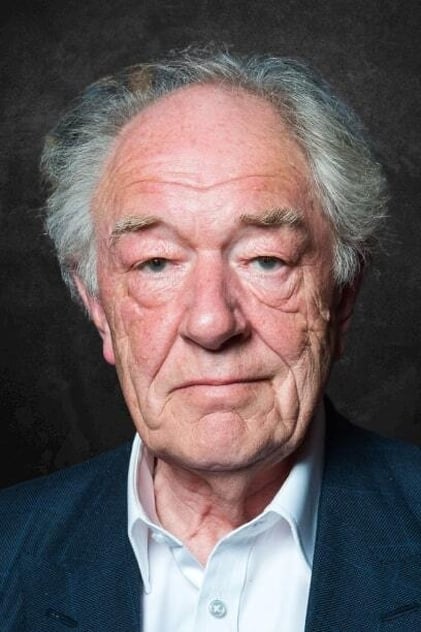
Who is in Harry Potter and the Order of the Phoenix?
Cast
5 of the cast already had the standing of a top-10% working actor.





Crew
Directed by
Written by
Cinematography
Edited by
Music by
Produced by
More like this
What are movies like Harry Potter and the Order of the Phoenix?
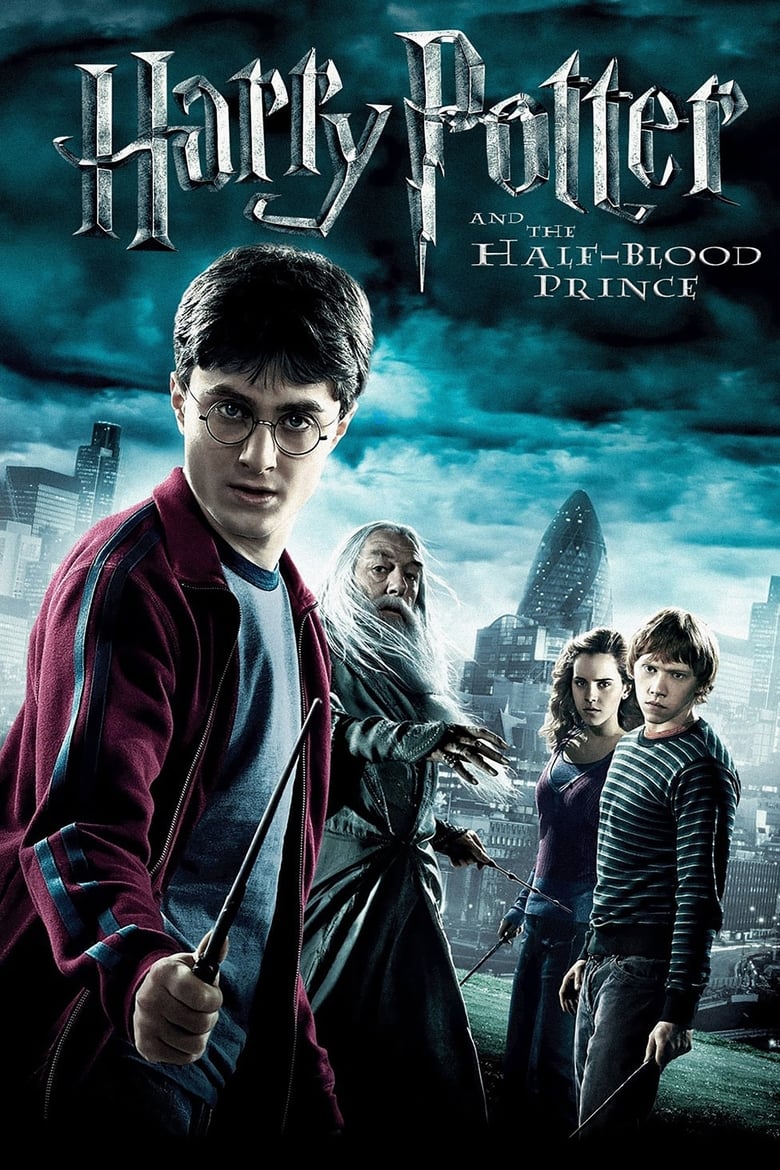
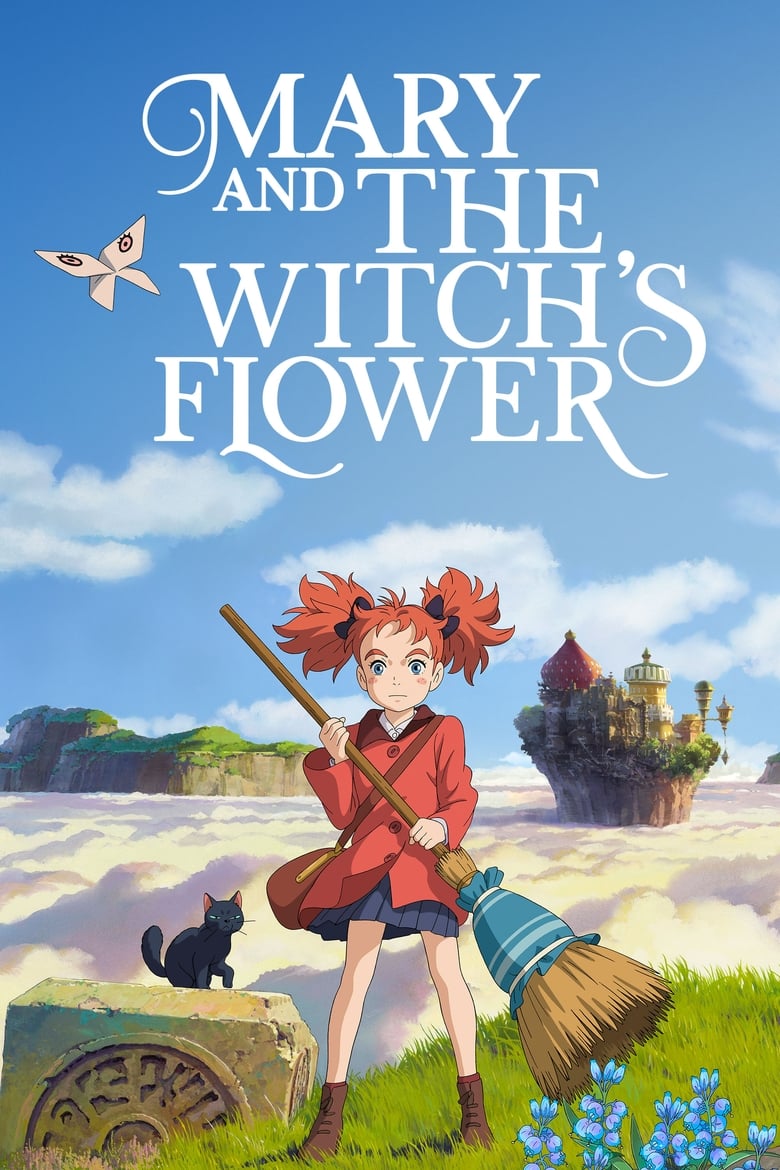
Movies like Harry Potter and the Order of the Phoenix include Harry Potter and the Deathly Hallows: Part 2 (2011), Harry Potter and the Half-Blood Prince (2009) and Fantastic Beasts: The Crimes of Grindelwald (2018). Of the 12 closest matches, several are films by David Yates, and most are stories about witches.
- Harry Potter and the Deathly Hallows: Part 2People:
- Harry Potter and the Half-Blood PrincePeople:
- Fantastic Beasts: The Crimes of GrindelwaldPeople:
- Fantastic Beasts: The Secrets of DumbledorePeople:
- The Sorcerer's ApprenticeStory type:
- How to Train Your Dragon 2Characters:
- Mary and the Witch's FlowerWorld:
- BleachCharacters:
- The Chronicles of Narnia: The Voyage of the Dawn TreaderCharacters:
- The CovenantSubject:
- Spirited AwayCharacters:
- White SquallReception:






Why this pick
Explore by
What else shares a premise, people or place with Harry Potter and the Order of the Phoenix?
552 other films share the rarest tag below, up against: supervillain. Each tag opens Browse with the films that share it.