
Filth
It's a filthy job getting to the top, but someone's got to do it.
- Director
- Jon S. Baird
- Starring
- James McAvoy, Jamie Bell, Eddie Marsan, Imogen Poots
A bigoted junkie cop suffering from borderline personality disorder and drug addiction manipulates and hallucinates his way in a bid to secure promotion.
Where to watch
Where can I watch Filth?
As of October 24, 2026, MovieCove lists Filth streaming on Magnolia Selects via Prime Video, Monsters and Nightmares via Prime Video, Pluto TV (free), The Roku Channel (free), Tubi (free) and Warriors & Gangsters via Prime Video and to rent or buy on Apple TV and Prime Video.
Subscription













Your rating, lists and review
Highlights
What stands out about Filth?
Filth earns 9 badges, led by Standout acting and Crowd Pleaser.
- Standout acting, Craft and mood badge.Praised by fans (98) and detractors (80)
- Crowd Pleaser, Reception badge.72% rated it 7 or higher
- Award Winner, Awards and box office badge.9 wins and 15 more nominations
- Heavy for an R-rated film, Content badge.Heavier than 97% of R-rated films
- Preferred by Non-US Viewers, Reception badge.Non-US viewers scored it 18 points higher than US viewers
- Preferred by Users, Reception badge.Users scored it 14 points higher than critics
- Preferred by Under-30s, Reception badge.Under-30s scored it 10 points higher than over-30s
- Strong sexual content, Content badge.Sex & Nudity heavier than 98% of films
Show 1 moreShow fewer
- Reception
- Craft and mood
- Awards and box office
- Content
Reception
Is Filth worth watching?
Filth's Midcredits score is the 80th percentile of all films, from 227K ratings across 6 sources. 72% liked it (rated it 7 or higher out of 10).
Midcredits score
80th percentile
Better received than 80% of films
69 /100
76th percentile of all films
Critics 56 · Audience 70
Rating distribution
votes at each rating level (1–10)
A broad spread centered near 7.1 — solid but not unanimous.
72% liked it
81st percentile of all films
Critics 66% · Audience 67%
Awards
0 Oscars won · 0 Oscar noms · 9 wins / 15 noms overall
97th percentile
227K ratings across platforms
Box office
Returned 1.7× its budget — 57th percentile earner in its genre.
What reviewers say
Common ground
An extremely vulgar, drug-and-sex-fueled black comedy about a corrupt, mentally unraveling Scottish cop.
Fans praised
- McAvoy's transformative, career-best performance as a complex, mentally deteriorating man
- Uncompromising dark humor blended with genuine tragic emotional depth
- Faithful adaptation capturing Irvine Welsh's gritty, surreal tone
Detractors panned
- Gratuitous shock tactics with no narrative purpose
- Incoherent plot and unsympathetic protagonist
- Derivative, failing to match Trainspotting's wit and originality
What stands out
McAvoy's revelatory, physically and emotionally committed performance
Witty, profane, fast-paced Scottish vernacular
Surprisingly moving descent into grief and mental illness
Despicable yet layered antihero; supporting roles as effective caricatures
Manic, energetic first half; sags in second with tonal shifts
Black comedy often undercut by excessive shock value
Stylistically imitative of Trainspotting and Bad Lieutenant
Loose, meandering structure; murder case as weak mcguffin
Preferred by
Under-30s vs over-30s
Under-30s scored it 10 points higher than over-30s.
Critics vs users
Users scored it 14 points higher than critics.
US vs non-US
Non-US viewers scored it 18 points higher than US viewers.
No notable difference between the other groups: each pair ranks it within 10 percentile points.
- Women vs men 5 points apart
Watch experience
What is Filth like to watch?
Watch this when you are ready to pay close attention and feel heavy feelings, and you want to laugh at things you probably shouldn't.
What it asks of you
Your full attention, room for heavy feelings and a taste for open questions.
What it feels like
Dark comedy.
How it leaves you
Devastated.
Story archetype
Every story archetype, clockwise from the top
- Monster 21%: Predator 6% · Tyrant 6% · Invasion 2% · Oppressive state 2% · Corporate villainy 1% · Institutional injustice 1% · Class system under 1% · Technology turns under 1% · Inner demon 1%
- Rags 3%: Underdog triumph 2% · Social ascent under 1% · Fame and fortune under 1% · Rise and fall under 1% · Hidden worth revealed under 1%
- Quest 10%: Treasure hunt 1% · Rescue 4% · Mission 5% · Journey home under 1% · Pilgrimage 1%
- Voyage 4%: Portal fantasy under 1% · Fish out of water 2% · Survival ordeal 1% · Time displacement under 1% · Descent 1%
- Comedy 11%: Romantic comedy 4% · Comedy of errors 3% · Farce 2% · Buddy comedy 1% · Comedy of manners 1%
- Tragedy 9% (this title): Hubris 1% · Obsession 2% (this title) · Corruption arc 2% · Doomed love 2% · Crushed by fate 3%
- Rebirth 13%: Redemption 3% · Healing 5% · Liberation 2% · Second chance 2%
- Mystery 7%: Puzzle 1% · Investigation 5% · Enigma 2%
- No archetype 22%
What it's about
Every theme, clockwise from the top
- Bonds 27%: Romantic love 15% · Marriage 2% · Family bonds 21% · Parenthood 2% · Friendship 9% · Loyalty 4%
- Self 22%: Identity 14% · Coming of age 5% · Aging under 1% · Self-worth 7% · Ambition 7% · Purpose 9% · Memory 3% · Obsession 3%
- Power 7%: Power 2% · Corruption 3% · Greed 3% · Class 3% · Oppression 4% · Freedom 5%
- Morality 16%: Justice 13% · Duty 2% · Revenge 4% · Guilt 3% (this title) · Redemption 6% · Forgiveness 1% · Sacrifice 4% · Betrayal 5% · Deception 9%
- Survival 15% (this title): Survival 17% · War 1% · Violence 4% · Mortality 2% · Grief 6% · Trauma 7% (this title) · Mental illness 1% (this title) · Addiction 1% · Illness and disability under 1%
- Society 9%: Community 14% · Isolation 5% · Prejudice 3% · Displacement 1% · Faith 3% · Tradition vs change 2% · Fame 3% · Legacy 4%
- Ideas 5%: Fate 1% · Free will under 1% · Truth 4% · Hope 5% · Nature 2% · Art 4% · Technology 1%
The world
Content guide
Is Filth okay for kids?
RFilth is rated R: “Rated R for strong sexual content, graphic nudity, drug use, language and some violence” (MPAA). As of October 3, 2026, Midcredits content scores put its violence at intense (67/100), sexual content at severe (82/100), language at severe (92/100), drug and alcohol content at severe (94/100) and frightening material at intense (72/100). Overall it is heavier than 97% of R-rated films.
Ratings in 21 other countriesRatings elsewhere
- UK18
- Canada18A
- Germany16
- Ireland18
- New ZealandR18
- JapanR18+
- South Korea19
- Brazil16
- Czechia15
- FinlandK-16
- GreeceΚ-15
- Hungary18
- LTN-18
- MexicoC
- Netherlands18
- Russia18+
- SingaporeR21
- Spain16
- Sweden15
- Switzerland16
- Türkiye18+
Point along a line to see a well-known title at that level.
Heavy almost across the board: drug and alcohol content, language, sexual content, frightening material, and violence.
Source: Midcredits content scores, 0 (none) to 100 (severe) per category, with each standing ranked against other films that have them.
What content warnings does Filth have?
Not screened for content warnings yet.
Cast and crew
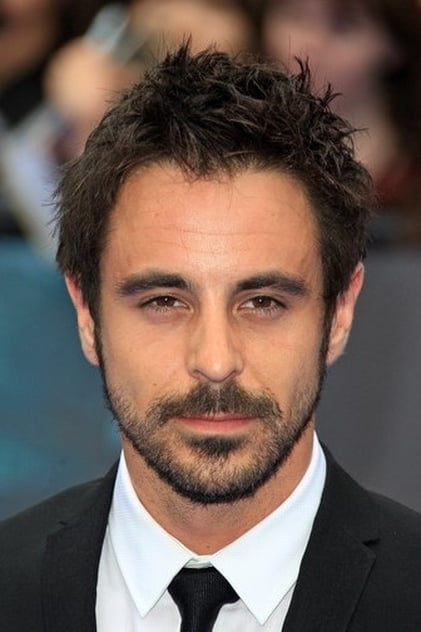
Who is in Filth?
Cast
3 of the cast already had the standing of a top-10% working actor.






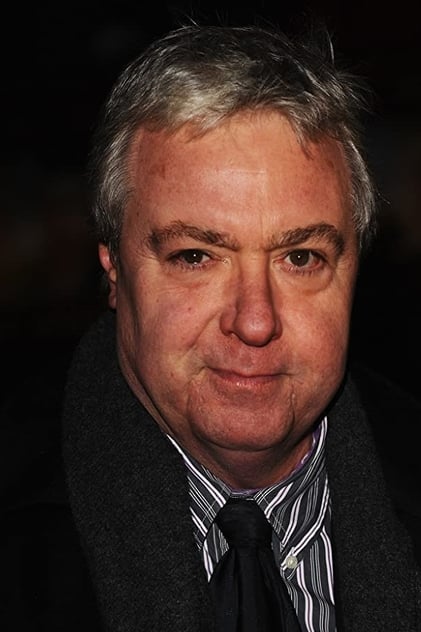


Crew
Directed by
Written by
Produced by
+35 more
, Benoit Roland, Rachel Dargavel, Stephan Giger, Jon S. Baird, Celine Rattray, Alexander O'Neal, James McAvoy, Jens Meurer, Robin Houcken, Jane l Bruce, Christian Angermayer, Yasin Sebastian Qureshi, Stephen Mao, Ken Marshall, Tony Bolton, Will Clarke, Trudie Styler, Karin G. Dietrich, Alexander Denk, Ralph S. Dietrich, Mohammed Hans Dastmaltchi, Alex Francis, Stefan Haller, Tyler Boehm, Marc Schaberg, Judy Tossell, Guy Avshalom, Pierre Lorinet, Benjamin Melkman, Marc Hansell, Jessica Ask, Ralph Dietrich, Christopher Billows, Steven Istock, Jon HarrisMore like this
What are movies like Filth?
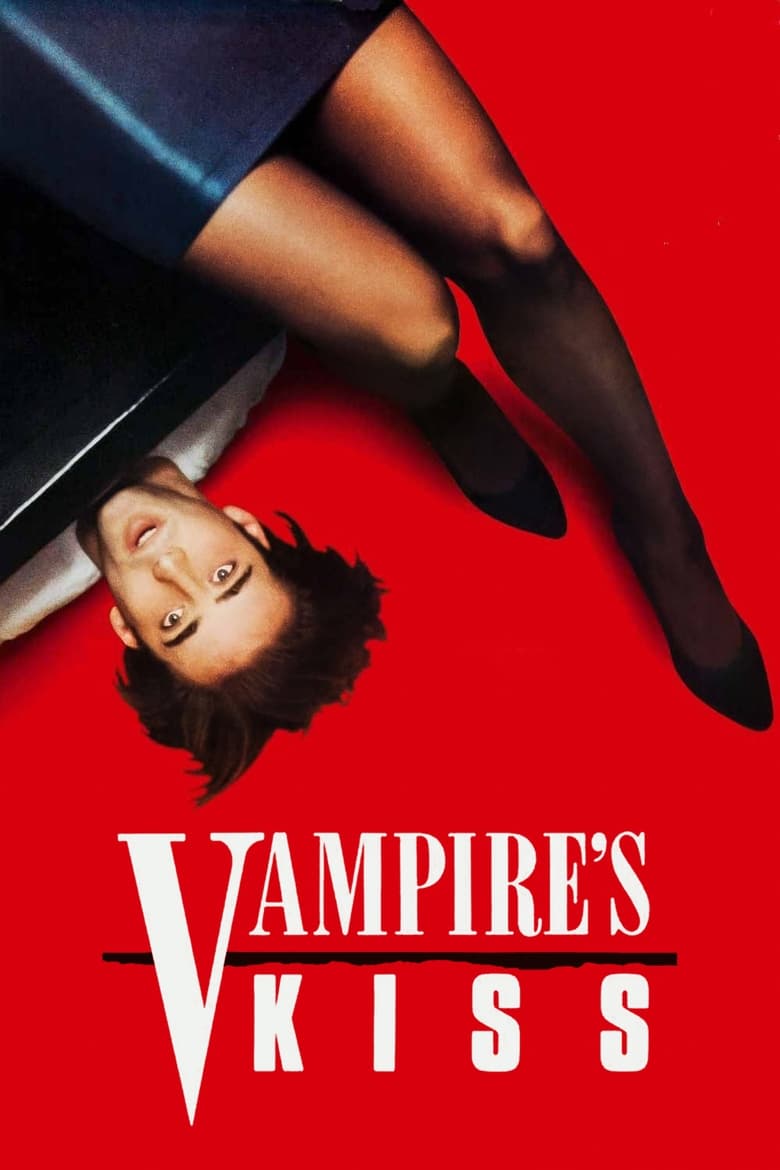
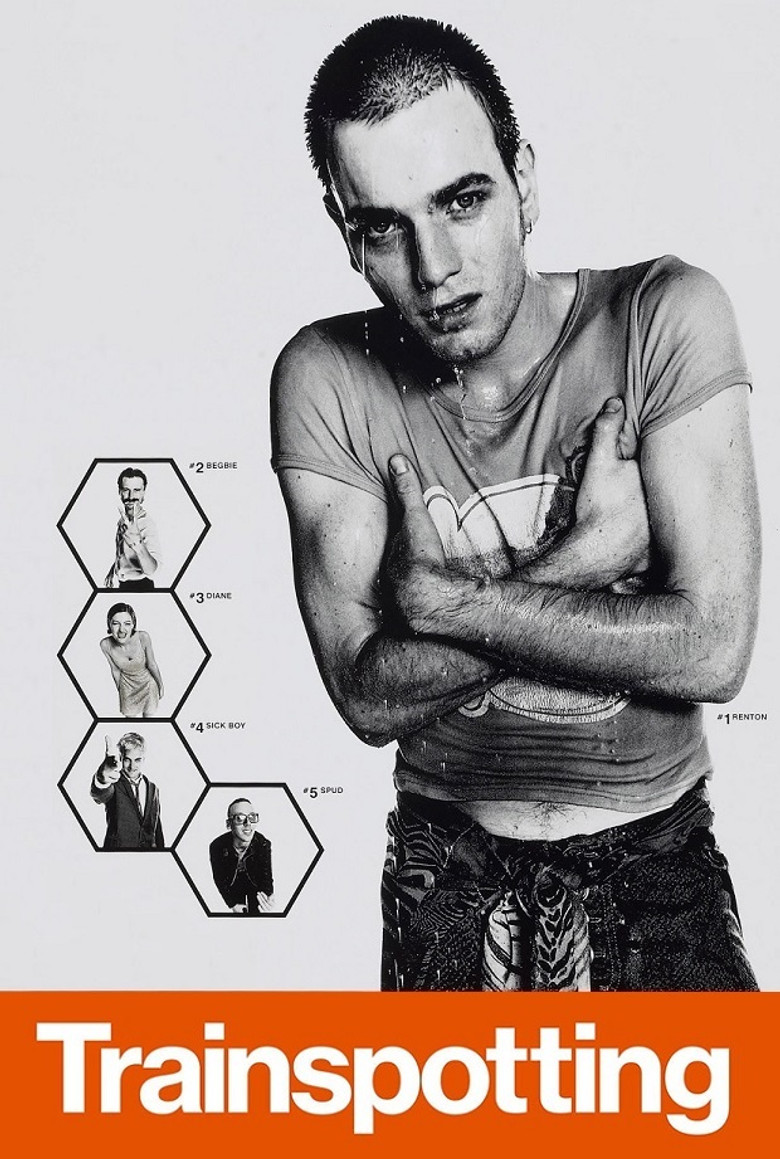
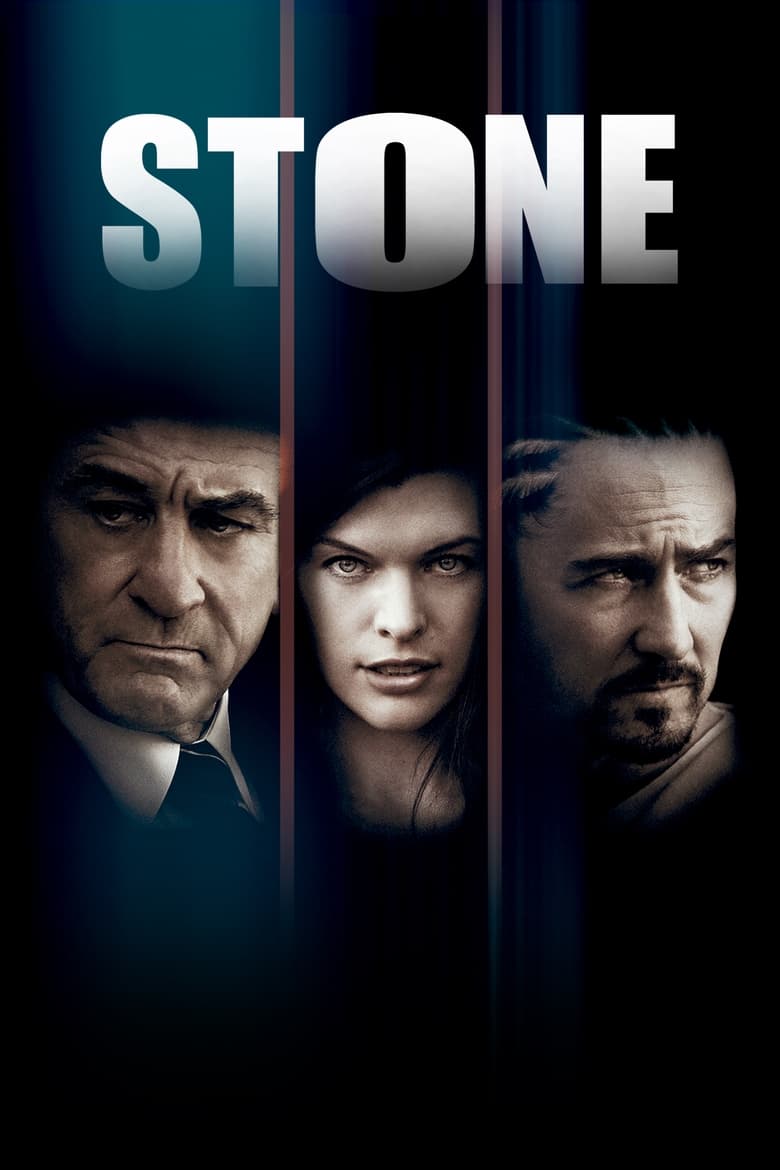
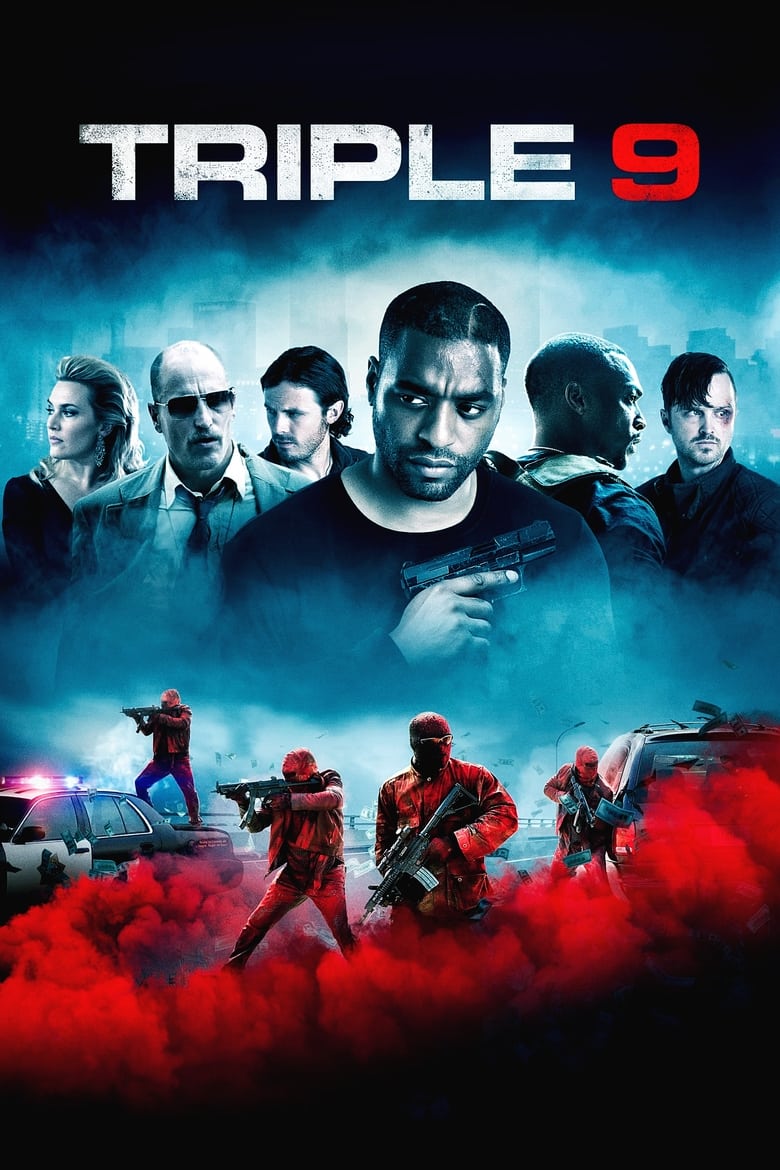
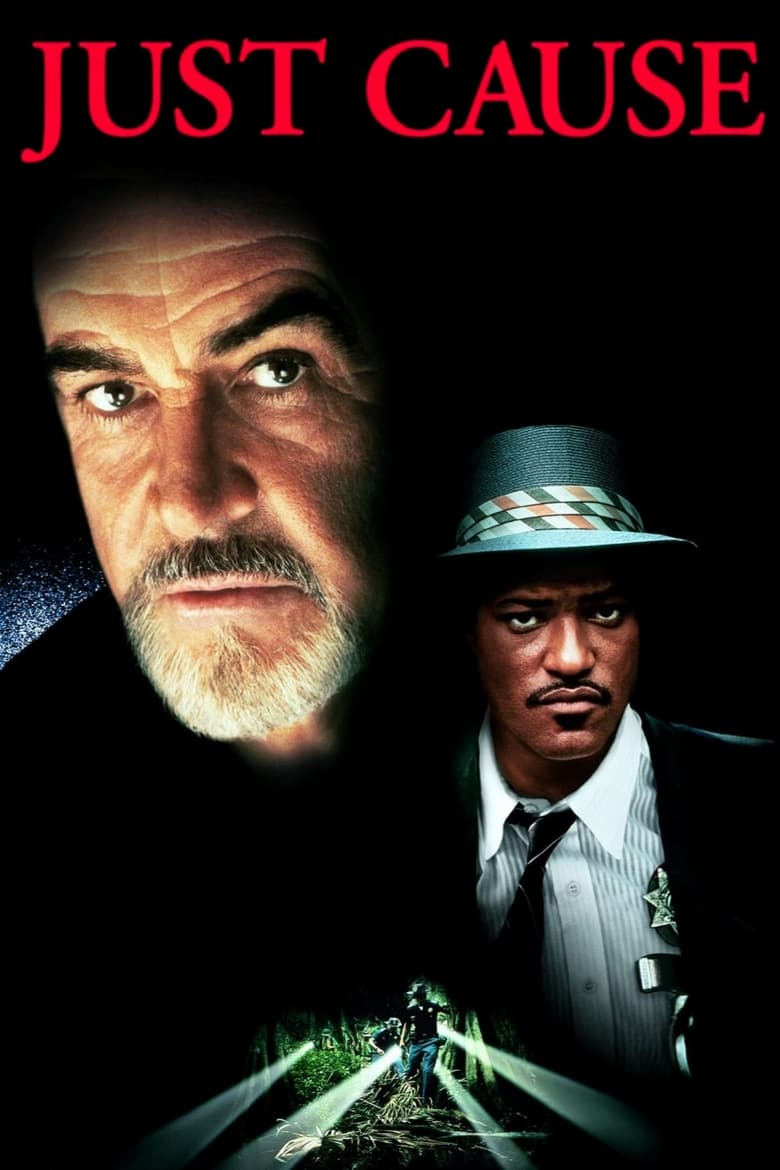
Movies like Filth include Vampire's Kiss (1988), Trainspotting (1996) and Stone (2010). Of the 12 closest matches, two are films written by Irvine Welsh, and several are films set in Edinburgh.



Why this pick
Explore by
What else shares a premise, people or place with Filth?
3.2K other films share the rarest tag below, kind of film: dark comedy. Each tag opens Browse with the films that share it.