Skip to content
MovieCove
End of Watch

End of Watch

Every moment of your life they stand watch.

Director
David Ayer

Two young officers are marked for death after confiscating a small cache of money and firearms from the members of a notorious cartel during a routine traffic stop.

Where can I watch End of Watch?

As of October 24, 2026, MovieCove lists End of Watch streaming on Pluto TV (free), Shout! TV via Prime Video, The Roku Channel (free) and Tubi (free) and to rent or buy on Apple TV and Prime Video.

Your rating, lists and review

What stands out about End of Watch?

End of Watch earns 13 badges, led by Modern classic and Top 5% of films.

Show 5 more
  • Rank
  • Reception
  • Craft and mood
  • Awards and box office
  • Content

Is End of Watch worth watching?

End of Watch's Midcredits score is the 95th percentile of all films, from 658K ratings across 6 sources. 86% liked it (rated it 7 or higher out of 10).

Midcredits score

How well it was received

95th percentile

Better received than 95% of films

97th percentile among Action96th percentile among 2010s
Acclaim (how much people like it)91st
Approval (how many liked it)96th

75 /100

91st percentile of all films

96th percentile among Action91st percentile among 2010s

Critics 68 · Audience 76

Audiences liked it more than critics did.

Rating distribution

Most people land high, with a thin tail of low scores from those it didn't reach.

86% liked it

96th percentile of all films

97th percentile among Action96th percentile among 2010s
86% rated it 7–1014% rated it 1–6

Critics 85% · Audience 86%

On Rotten Tomatoes, critics and audiences approve at similar rates.

Awards

0 Oscars won · 0 Oscar noms · 3 wins / 22 noms overall

99th percentile

658K ratings across platforms

97th percentile among Action99th percentile among 2010s
TMDB popularity, last 37 days to Oct 26Down 27% in 30 days

Box office

Budget$7M
Opening weekend$13M
Domestic gross$41M
Worldwide gross$55M

Returned 7.9× its budget — 79th percentile earner in its genre.

What reviewers say

Common ground

It's a raw, immersive buddy-cop film that rides entirely on the chemistry of its two leads.

Fans praised

  • palpable chemistry between Gyllenhaal and Peña
  • gritty realism of the found-footage ride-along style
  • authentic emotional impact and brotherhood

Detractors panned

  • gimmicky, nauseating shaky-cam and inconsistent logic
  • one-dimensional gangster stereotypes and excessive profanity
  • thin plot that feels like a random COPS episode

What stands out

Acting90

palpable chemistry and naturalistic partnership

TensionDivisive85

nerve-rattling, claustrophobic suspense in set pieces

AtmosphereDivisive85

gritty, lived-in South Central milieu

Emotional impactDivisive85

heartbreaking bond and visceral loss

CharactersDivisive80

relatable everyday cops, but gang members are cartoonish

DialogueDivisive80

natural banter vs. excessive profanity from villains

CinematographyDivisive55

immersive shaky-cam versus distracting gimmickry

Plot and storyDivisive55

thin through-line, episodic structure emulates reality TV

Preferred by

No notable difference between any of the groups: each pair ranks it within 10 percentile points.

  • Women vs men 7 points apart
  • Under-30s vs over-30s 2 points apart
  • Critics vs users 3 points apart
  • US vs non-US even

What is End of Watch like to watch?

Conclusions only — categories and positions, no plot detail.

Watch this when you are ready to pay close attention and feel heavy feelings, and you want something dark that stays with you.

It is intense, never lets up and leaves you bittersweet. Skip it when you want an easy night or you can only half-watch.

ToneFeelDemandwhat the answer rests onexact position · filled zone: the category

What it asks of you

Your full attention and room for heavy feelings.

What it feels like

Dark and unsettling.

The answer rests on this: Moods
TenseDreadWarm
Heaviest: late
Wry humor: Amused and slightly dry about it.
Register
Brutal · 7% of filmsWarm
Told as
Three-act: Setup, confrontation, resolution — the default Hollywood shape.
ToneThe film holds its material with raw realism, treating the danger and camaraderie without irony.
The rideThe film sustains high tension through patrol sequences, with a warm undercurrent of friendship, and its emotional weight peaks in the climactic ambush and funeral.
StructureThe story unfolds chronologically through a combination of body cameras, dashcams, and handheld footage.

How it leaves you

what you carry away

Bittersweet.

The answer rests on this: BittersweetDevastating · 3% of films
Why it leaves you this wayThe film leaves you emotionally wrecked by the loss of one partner while finding solace in the other's survival and their unwavering brotherhood.
How it ends · evidence
Bittersweet endingTwist

Story archetype

where it sits among all films
Monster — 21% of films. A threat menaces the hero's world and must be defeated.Rags — 3% of films. A rise from lowliness to fortune, status, or recognition.Quest — 10% of films. A journey toward a defined objective, with companions and obstacles.Voyage — 4% of films. Into a strange world and back again, changed.Comedy — 11% of films. Confusion and cross-purposes resolved into harmony.Tragedy — 9% of films. A flaw or fixation drives the protagonist to ruin.Rebirth — 13% of films. A stalled or darkened life reopened and renewed.Mystery — 7% of films. A question drives the story — who did it, what happened, what is real — until it is answered.No archetype — 22% of filmsPredator — 6% of films. A creature or killer hunts the protagonists (Jaws, Alien).Tyrant — 6% of films. A human villain holds power over the hero's world (Die Hard).Invasion — 2% of films. An external force attacks the home or world (Independence Day).Oppressive state — 2% of films. A government, its agencies or a secret faction inside them is the monster (V for Vendetta).Corporate villainy — 1% of films. A company or its bosses are the monster (Erin Brockovich).Institutional injustice — 1% of films. A court, prison, police force, school or church is itself the enemy (Spotlight).Class system — under 1% of films. The gap between rich and poor, or a rigid hierarchy, is the monster (Parasite).Technology turns — under 1% of films. Technology people rely on becomes the threat (The Terminator).Inner demon — 1% of films. The monster is within — addiction, illness, a dark double.Underdog triumph — 2% of films. Rise through competition or contest (Rocky).Social ascent — under 1% of films. A climb in class or status (Pretty Woman).Fame and fortune — under 1% of films. An artistic or showbiz rise (A Star Is Born).Rise and fall — under 1% of films. Wealth or power gained, self lost (Scarface).Hidden worth revealed — under 1% of films. The protagonist's true value finally recognized.Treasure hunt — 1% of films. Retrieve an object of value (Raiders of the Lost Ark).Rescue — 4% of films. Retrieve or save a person (Saving Private Ryan).Mission — 5% of films. Accomplish or destroy a defined objective (Mission: Impossible).Journey home — under 1% of films. The goal is getting back (Finding Nemo).Pilgrimage — 1% of films. The journey itself transforms; the destination is symbolic.Portal fantasy — under 1% of films. Transported into another world (The Wizard of Oz).Fish out of water — 2% of films. Displaced into an unfamiliar social world (Elf).Survival ordeal — 1% of films. Trapped in a hostile environment, fighting back (Cast Away).Time displacement — under 1% of films. Unstuck in time (Back to the Future).Descent — 1% of films. A night-journey into an underworld or subculture (After Hours).Romantic comedy — 4% of films. Lovers kept apart by confusion, united at last.Comedy of errors — 3% of films. Mistaken identity or misunderstanding drives the plot.Farce — 2% of films. Escalating absurd chaos and coincidence (The Hangover).Buddy comedy — 1% of films. A mismatched pair forced together (Rush Hour).Comedy of manners — 1% of films. Social codes and class satirized (Clueless).Hubris — 1% of films. Pride or ambition invites the fall (There Will Be Blood).Obsession — 2% of films. A fixation consumes the protagonist (Black Swan).Corruption arc — 2% of films. Step-by-step moral decay (The Godfather).Doomed love — 2% of films. Love destroyed by circumstance (Brokeback Mountain).Crushed by fate — 3% of films. Destroyed by forces beyond the protagonist's control.Redemption — 3% of films. Moral reawakening of a hardened soul (A Christmas Carol).Healing — 5% of films. Recovery from grief or trauma (Good Will Hunting).Liberation — 2% of films. Breaking free of a confining life (Room).Second chance — 2% of films. A stagnant life re-opened to love or purpose (Groundhog Day).Puzzle — 1% of films. A clue-by-clue puzzle you can try to solve before the reveal (Knives Out, Clue).Investigation — 5% of films. A long pursuit of the truth that may never be fully solved (Zodiac, Memories of Murder).Enigma — 2% of films. The mystery is what is real, or what is actually happening (Mulholland Drive).Monster
Every story archetype, clockwise from the top
  • Monster 21% (this title): Predator 6% · Tyrant 6% · Invasion 2% · Oppressive state 2% · Corporate villainy 1% (this title) · Institutional injustice 1% · Class system under 1% · Technology turns under 1% · Inner demon 1%
  • Rags 3%: Underdog triumph 2% · Social ascent under 1% · Fame and fortune under 1% · Rise and fall under 1% · Hidden worth revealed under 1%
  • Quest 10%: Treasure hunt 1% · Rescue 4% · Mission 5% · Journey home under 1% · Pilgrimage 1%
  • Voyage 4%: Portal fantasy under 1% · Fish out of water 2% · Survival ordeal 1% · Time displacement under 1% · Descent 1%
  • Comedy 11%: Romantic comedy 4% · Comedy of errors 3% · Farce 2% · Buddy comedy 1% · Comedy of manners 1%
  • Tragedy 9%: Hubris 1% · Obsession 2% · Corruption arc 2% · Doomed love 2% · Crushed by fate 3%
  • Rebirth 13%: Redemption 3% · Healing 5% · Liberation 2% · Second chance 2%
  • Mystery 7%: Puzzle 1% · Investigation 5% · Enigma 2%
  • No archetype 22%

Overcoming the monster: A threat menaces the hero's world and must be defeated. · Corporate villainy: A company or its bosses are the monster (Erin Brockovich).

21% of films fit this archetype

Why this archetypeThe story follows two LAPD officers who become targets of a Mexican drug cartel after disrupting their operations, forcing them to survive a deadly conspiracy.

What it's about

7 groups · 53 themes
Bonds — 27% of filmsSelf — 22% of filmsPower — 7% of filmsMorality — 16% of filmsSurvival — 15% of filmsSociety — 9% of filmsIdeas — 5% of filmsRomantic love — 15% of filmsMarriage — 2% of filmsFamily bonds — 21% of filmsParenthood — 2% of filmsFriendship — 9% of filmsLoyalty — 4% of filmsIdentity — 14% of filmsComing of age — 5% of filmsAging — under 1% of filmsSelf-worth — 7% of filmsAmbition — 7% of filmsPurpose — 9% of filmsMemory — 3% of filmsObsession — 3% of films. A fixation consumes the protagonist (Black Swan).Power — 2% of filmsCorruption — 3% of filmsGreed — 3% of filmsClass — 3% of filmsOppression — 4% of filmsFreedom — 5% of filmsJustice — 13% of filmsDuty — 2% of filmsRevenge — 4% of filmsGuilt — 3% of filmsRedemption — 6% of films. Moral reawakening of a hardened soul (A Christmas Carol).Forgiveness — 1% of filmsSacrifice — 4% of filmsBetrayal — 5% of filmsDeception — 9% of filmsSurvival — 17% of filmsWar — 1% of filmsViolence — 4% of filmsMortality — 2% of filmsGrief — 6% of filmsTrauma — 7% of filmsMental illness — 1% of filmsAddiction — 1% of filmsIllness and disability — under 1% of filmsCommunity — 14% of films. Consequences reach a town, institution or group.Isolation — 5% of filmsPrejudice — 3% of filmsDisplacement — 1% of filmsFaith — 3% of filmsTradition vs change — 2% of filmsFame — 3% of filmsLegacy — 4% of filmsFate — 1% of filmsFree will — under 1% of filmsTruth — 4% of filmsHope — 5% of filmsNature — 2% of filmsArt — 4% of filmsTechnology — 1% of filmsSelfFriendship
Every theme, clockwise from the top
  • Bonds 27% (this title): Romantic love 15% · Marriage 2% · Family bonds 21% · Parenthood 2% · Friendship 9% (this title) · Loyalty 4% (this title)
  • Self 22%: Identity 14% · Coming of age 5% · Aging under 1% · Self-worth 7% · Ambition 7% · Purpose 9% · Memory 3% · Obsession 3%
  • Power 7%: Power 2% · Corruption 3% · Greed 3% · Class 3% · Oppression 4% · Freedom 5%
  • Morality 16%: Justice 13% · Duty 2% · Revenge 4% · Guilt 3% · Redemption 6% · Forgiveness 1% · Sacrifice 4% (this title) · Betrayal 5% · Deception 9%
  • Survival 15%: Survival 17% · War 1% · Violence 4% · Mortality 2% · Grief 6% · Trauma 7% · Mental illness 1% · Addiction 1% · Illness and disability under 1%
  • Society 9%: Community 14% · Isolation 5% · Prejudice 3% · Displacement 1% · Faith 3% · Tradition vs change 2% · Fame 3% · Legacy 4%
  • Ideas 5%: Fate 1% · Free will under 1% · Truth 4% · Hope 5% · Nature 2% · Art 4% · Technology 1%

Bonds

Friendship · 9% of filmsLoyalty · 4% of filmsSacrifice · 4% of films
Celebrates its theme: Affirms its theme — this is good and worth having.Community stakes: Consequences reach a town, institution or group.Dual lead
How it treats its themeThe film focuses on the deep friendship and loyalty between two police officers as they face the dangers of the streets and a cartel threat.
StanceThe film celebrates the brotherhood and sacrifice of the two officers even as it depicts the violence of their world.

The world

ContemporaryUrbanInstitutionalDomesticStylized realism
ElectronicOrchestral modernSupportive music · hybrid · David Sardy
SettingSouth Central Los Angeles police patrol
MusicThe score blends atmospheric electronics with subtle orchestral textures, heightening tension without overpowering the gritty realism.

Is End of Watch okay for kids?

R

End of Watch is rated R: “Rated R for strong violence, some disturbing images, pervasive language including sexual references, and some drug use” (MPAA). As of October 3, 2026, Midcredits content scores put its violence at severe (95/100), sexual content at moderate (39/100), language at severe (94/100), drug and alcohol content at intense (63/100) and frightening material at severe (87/100). Overall it is heavier than 95% of R-rated films.

Ratings in 17 other countries
  • UK15
  • AustraliaMA 15+
  • Germany16
  • France12
  • Ireland16
  • South Korea18
  • Brazil16
  • Denmark15
  • FinlandK-16
  • GreeceΚ-18
  • Netherlands16
  • Norway15
  • PortugalM/16
  • Russia18+
  • Spain16
  • Sweden15
  • Switzerland16
Overall
Severe · all five categories
Heavier than 97% of all filmsHeavier than 95% of R-rated films
Violence & Gore
Severe
heavy for an R-rated film
heavier than 96%
Sex & Nudity
Moderate · audience split: No severity level holds a majority of voters
typical for an R-rated film
heavier than 35%
Profanity
Severe
heavy for an R-rated film
heavier than 97%
Alcohol & Drugs
Intense
heavy for an R-rated film
heavier than 81%
Frightening / Intense
Severe
heavy for an R-rated film
heavier than 89%

Point along a line to see a well-known title at that level.

Heavy almost across the board: violence, language, frightening material, and drug and alcohol content. Everything else sits at or below what R-rated films usually carry.

Source: Midcredits content scores, 0 (none) to 100 (severe) per category, with each standing ranked against other films that have them.

What content warnings does End of Watch have?

Not screened for content warnings yet.

Who is in End of Watch?

What are movies like End of Watch?

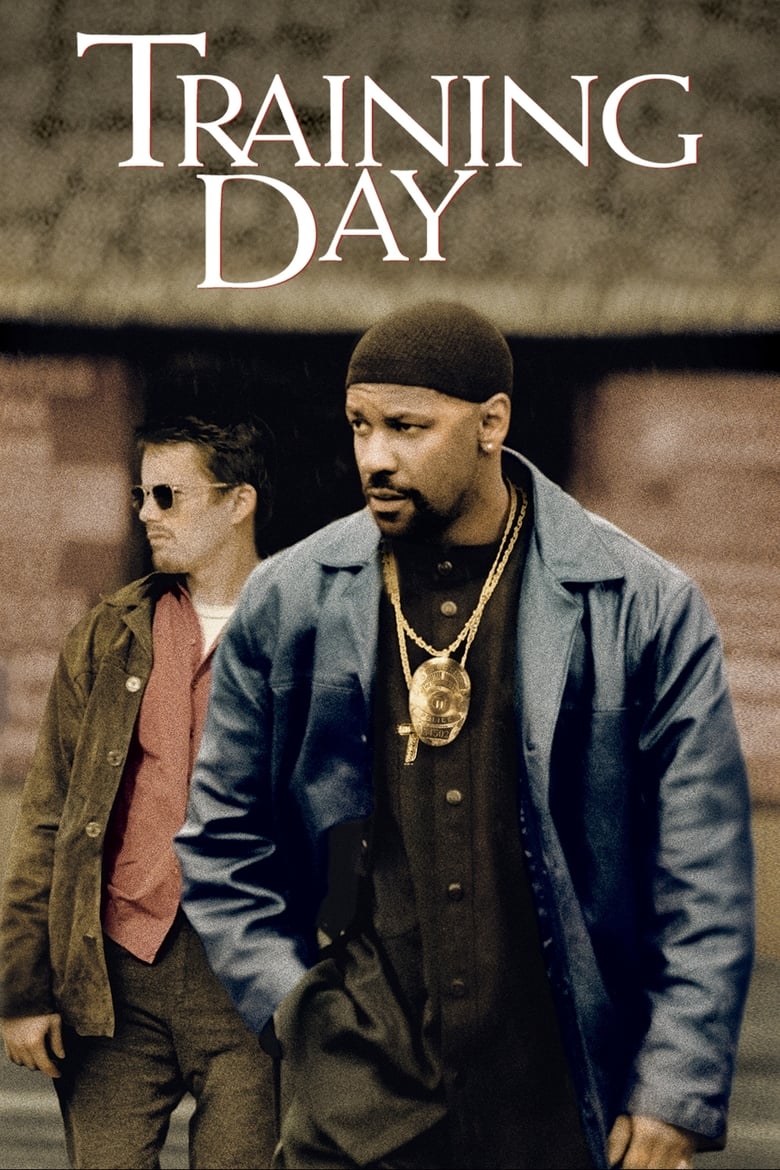
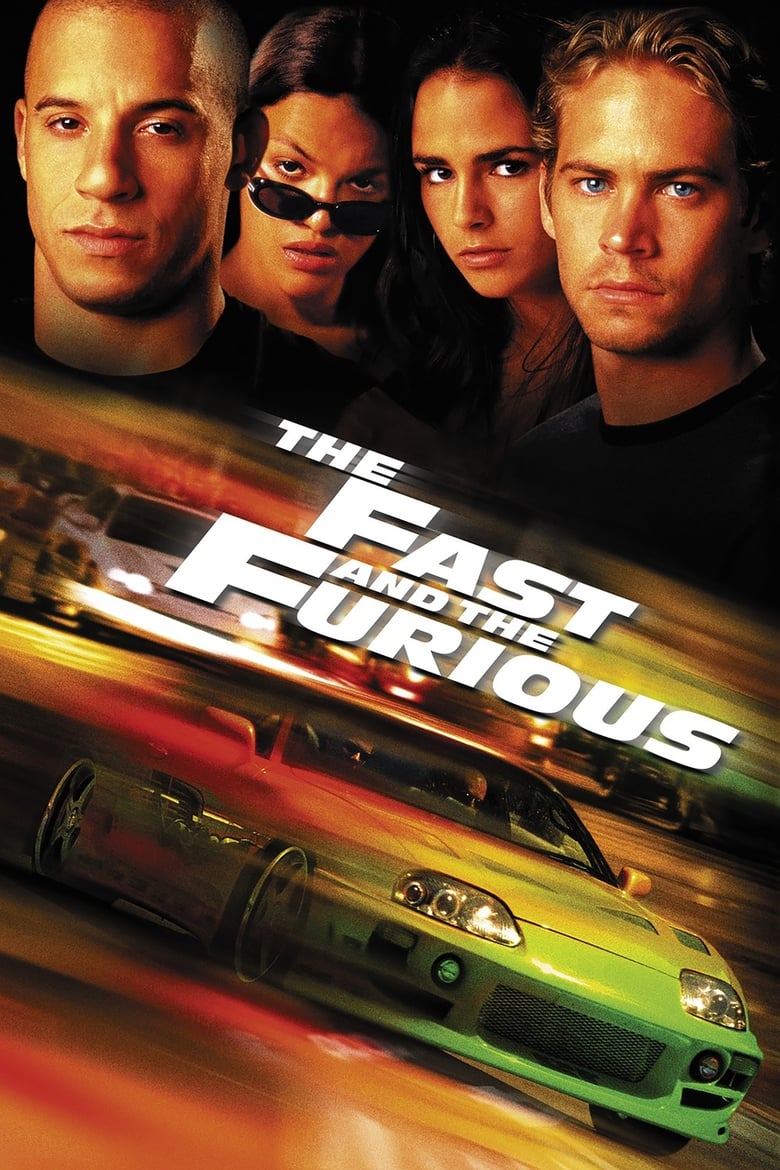
Movies like End of Watch include Harsh Times (2005), The Fast and the Furious (2001) and Training Day (2001). Of the 12 closest matches, most are films set in Los Angeles, and half are films about loyalty.

Balanced: every group counts the same, and production only breaks ties.

David Ayer wrote and directed 3 of these 12. Those cards say what else they share.

What else shares a premise, people or place with End of Watch?

3.2K other films share the rarest tag below, follows: police officer. Each tag opens Browse with the films that share it.