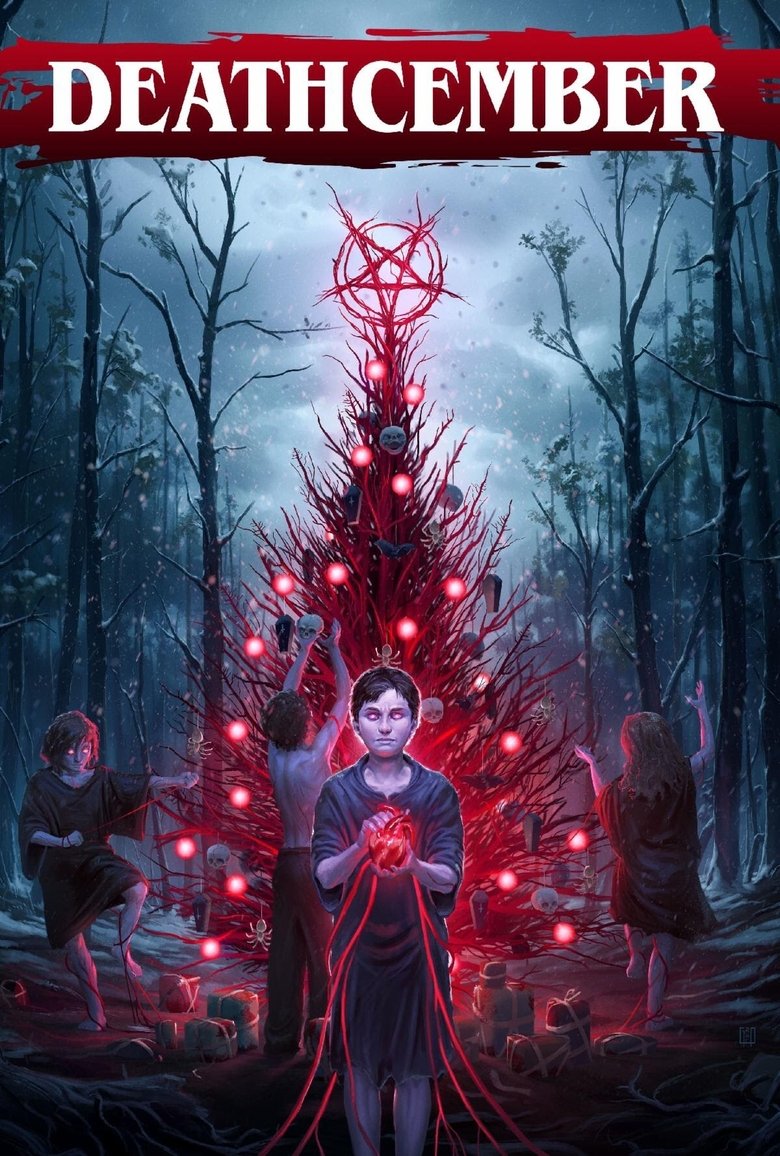
Deathcember
24 doors to hell
- Directors
- Bob Pipe, Lazar Bodroza, Juergen Kling, B.J. Colangelo, Jason Rostovsky, Florian Frerichs, Sam Wineman, Dominic Saxl, Sadrac González-Perellón, Sonia Escolano, Pollyanna McIntosh, R. Zachary Shildwachter, Ama Lea, Rémi Fréchette, Steve De Roover, Alyosha Saari, Milan Todorovic, Lucky McKee, Annika Marx, Andreas Marschall, Trent Haaga, John Cook Lynch, Lee Sang-woo, Ruggero Deodato, Isaac Ezban, Michael Varrati, Vivienne Vaughn, Julian Richards
- Starring
- Barbara Crampton, Tiffany Shepis, AJ Bowen, Jeffrey Reddick
Advent – a time of joyful anticipation. You will surely remember the feeling you had as a child, waking up on the first December morning. Rising early, ready to open a new door for 24 consecutive days.
Where to watch
Where can I watch Deathcember?
As of October 24, 2026, MovieCove lists Deathcember streaming on Prime Video, Screambox via Prime Video, Shout! TV via Prime Video and Tubi (free) and to rent or buy on Apple TV and Prime Video.
Subscription









Your rating, lists and review
Highlights
What stands out about Deathcember?
Deathcember earns 3 badges, led by Halloween pick and Christmas pick.
- Halloween pick, Craft and mood badge.Fits spooky season
- Christmas pick, Craft and mood badge.Fits holiday viewing
- Award Winner, Awards and box office badge.6 wins
- Craft and mood
- Awards and box office
Reception
Is Deathcember worth watching?
Deathcember's Midcredits score is the 11th percentile of all films, from 1.2K ratings across 2 sources. 21% liked it (rated it 7 or higher out of 10).
Midcredits score
11th percentile
Better received than 11% of films
49 /100
15th percentile of all films
Rating distribution
votes at each rating level (1–10)
The crowd leans negative, with most ratings sitting in the bottom half of the scale.
21% liked it
10th percentile of all films
Awards
0 Oscars won · 0 Oscar noms · 6 wins / 0 noms overall
Reach
55th percentile
1.1K ratings across platforms
Box office
In euro, not converted to dollars.
What reviewers say
Common ground
Both camps agree Deathcember is a wildly uneven international horror anthology with about a quarter of its 24 shorts worth watching, the rest ranging from mediocre to terrible.
Fans praised
- 24 international shorts as a festive advent calendar concept
- creative, original ideas with fun twists
- relentless gore and over-the-top violence
Detractors panned
- uneven quality with many boring, pointless segments
- overlong runtime at 2 hours 25 minutes
- some shorts have no Christmas connection
What stands out
advent calendar anthology is fresh, but many shorts are derivative
intentionally funny shorts work, others fall flat
some good gore and special effects, largely cheap-looking
international range provides varied tone but inconsistent immersion
very mixed bag, some clever twists, many incoherent
short segments help, but overall runtime feels too long
often terrible, few known horror actors appear
Preferred by
No notable difference between any of the groups: each pair ranks it within 10 percentile points.
- US vs non-US 2 points apart
Watch experience
What is Deathcember like to watch?
Watch this when you want to be scared.
What it asks of you
Patience.
What it feels like
Scary.
How it leaves you
Entertained.
Story archetype
Every story archetype, clockwise from the top
- Monster 21%: Predator 6% · Tyrant 6% · Invasion 2% · Oppressive state 2% · Corporate villainy 1% · Institutional injustice 1% · Class system under 1% · Technology turns under 1% · Inner demon 1%
- Rags 3%: Underdog triumph 2% · Social ascent under 1% · Fame and fortune under 1% · Rise and fall under 1% · Hidden worth revealed under 1%
- Quest 10%: Treasure hunt 1% · Rescue 4% · Mission 5% · Journey home under 1% · Pilgrimage 1%
- Voyage 4%: Portal fantasy under 1% · Fish out of water 2% · Survival ordeal 1% · Time displacement under 1% · Descent 1%
- Comedy 11%: Romantic comedy 4% · Comedy of errors 3% · Farce 2% · Buddy comedy 1% · Comedy of manners 1%
- Tragedy 9%: Hubris 1% · Obsession 2% · Corruption arc 2% · Doomed love 2% · Crushed by fate 3%
- Rebirth 13%: Redemption 3% · Healing 5% · Liberation 2% · Second chance 2%
- Mystery 7%: Puzzle 1% · Investigation 5% · Enigma 2%
- No archetype 22% (this title)
What it's about
Every theme, clockwise from the top
- Bonds 27%: Romantic love 15% · Marriage 2% · Family bonds 21% · Parenthood 2% · Friendship 9% · Loyalty 4%
- Self 22%: Identity 14% · Coming of age 5% · Aging under 1% · Self-worth 7% · Ambition 7% · Purpose 9% · Memory 3% · Obsession 3%
- Power 7%: Power 2% · Corruption 3% · Greed 3% · Class 3% · Oppression 4% · Freedom 5%
- Morality 16%: Justice 13% · Duty 2% · Revenge 4% · Guilt 3% · Redemption 6% · Forgiveness 1% · Sacrifice 4% · Betrayal 5% · Deception 9%
- Survival 15%: Survival 17% (this title) · War 1% · Violence 4% (this title) · Mortality 2% · Grief 6% · Trauma 7% · Mental illness 1% · Addiction 1% · Illness and disability under 1%
- Society 9% (this title): Community 14% · Isolation 5% · Prejudice 3% · Displacement 1% · Faith 3% · Tradition vs change 2% (this title) · Fame 3% · Legacy 4%
- Ideas 5%: Fate 1% · Free will under 1% · Truth 4% · Hope 5% · Nature 2% · Art 4% · Technology 1%
The world
Content guide
Is Deathcember okay for kids?
Not RatedDeathcember is not rated. As of March 15, 2026, Midcredits content scores put its violence at severe (100/100), sexual content at moderate (56/100), language at mild (33/100), drug and alcohol content at mild (33/100) and frightening material at severe (89/100). None has enough votes to rank yet.
Ratings in 2 other countriesRatings elsewhere
- Germany18
- FinlandK-16
Too few votes to rank this title overall (14 votes across 5 categories; ranking needs 10 in at least three).
Source: Midcredits content scores, 0 (none) to 100 (severe) per category, with each standing ranked against other films that have them.
What content warnings does Deathcember have?
Not screened for content warnings yet.
Cast and crew
Who is in Deathcember?
Cast





Crew
Directed by
+22 more
, Sam Wineman, Dominic Saxl, Sadrac González-Perellón, Sonia Escolano, Pollyanna McIntosh, R. Zachary Shildwachter, Ama Lea, Rémi Fréchette, Steve De Roover, Alyosha Saari, Milan Todorovic, Lucky McKee, Annika Marx, Andreas Marschall, Trent Haaga, John Cook Lynch, Lee Sang-woo, Ruggero Deodato, Isaac Ezban, Michael Varrati, Vivienne Vaughn, Julian RichardsWritten by
+27 more
, Sam Wineman, Momir Milosevic, Sadrac González-Perellón, Sonia Escolano, Pollyanna McIntosh, R. Zachary Shildwachter, Dominic Saxl, Charles Horak, Jason Rostovsky, Florian Frerichs, Wes Allen, Dominik Ostler, Vivienne Vaughn, Bob Pipe, Jasper Vrancken, Juergen Kling, Martina van Delay, John Cook Lynch, Lee Sang-woo, Dimitrije Vojnov, Marc Gottlieb, Michael Varrati, Isaac Ezban, Trent Haaga, Ruggero Deodato, Julian Richards, Audrey MeubusCinematography
Edited by
Music by
Produced by
+42 more
, J.P. Ouellette, Ivo Scheloske, Jennifer Young, Pierce Conran, Javier Gómez, Juergen Kling, Lazar Bodroza, Kevin Hoed, B.J. Colangelo, James Ojala, Aleksandar Protic, Aleksandar Smiljanic, Steve De Roover, Danny Plotner, Frank Vogt, Lucas Hesling, Tanner Sawitz, Fera Valverde, Milan Todorovic, Sabina Sattar, Hunter Wayne, Brian Laprocino, Brandon Kirby, Sami Kolko, Diego Rodriguez, Miriam Mercado, Dominic Saxl, Sadrac González-Perellón, R. Zachary Shildwachter, Jeff Hamilton, Walid Bekhti, Barbara Magnolfi, David W. Ross, John Cook Lynch, Marc Gottlieb, Michael Varrati, Yazid Benfeghoul, Charles Horak, Nevena Tomic, Natalia Contreras, Tijana Markovic, Jingyang SunMore like this
What are movies like Deathcember?
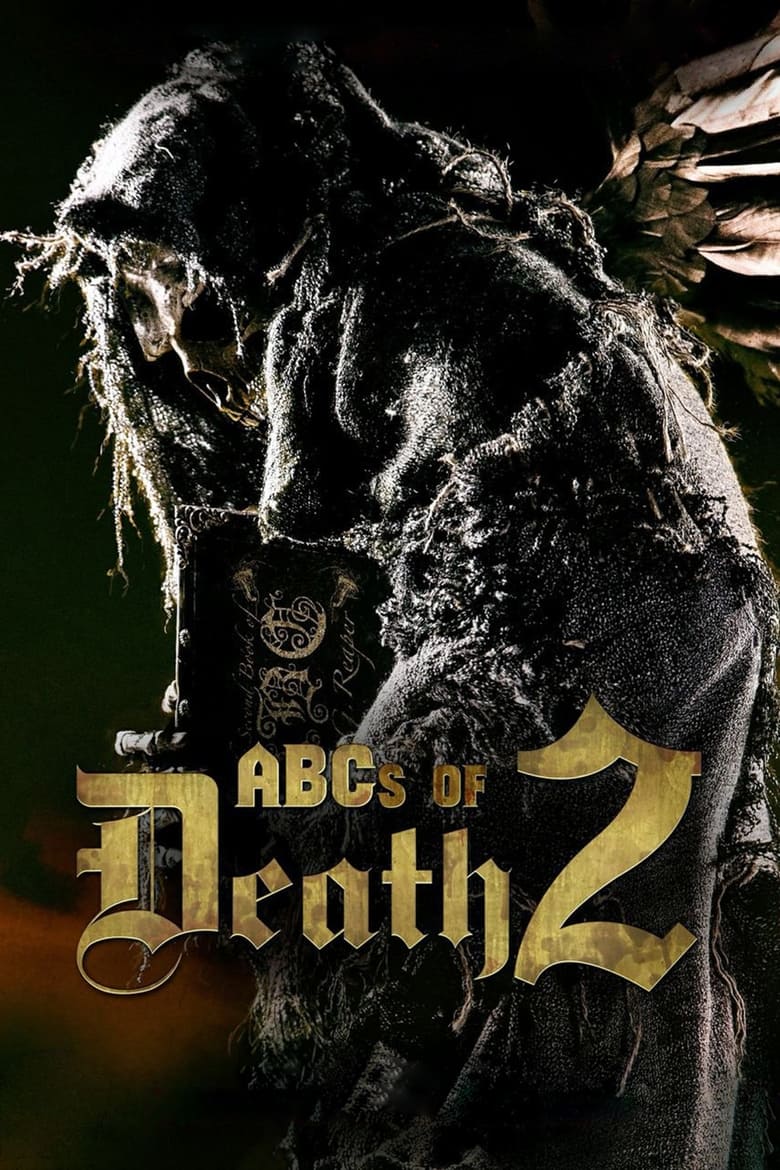
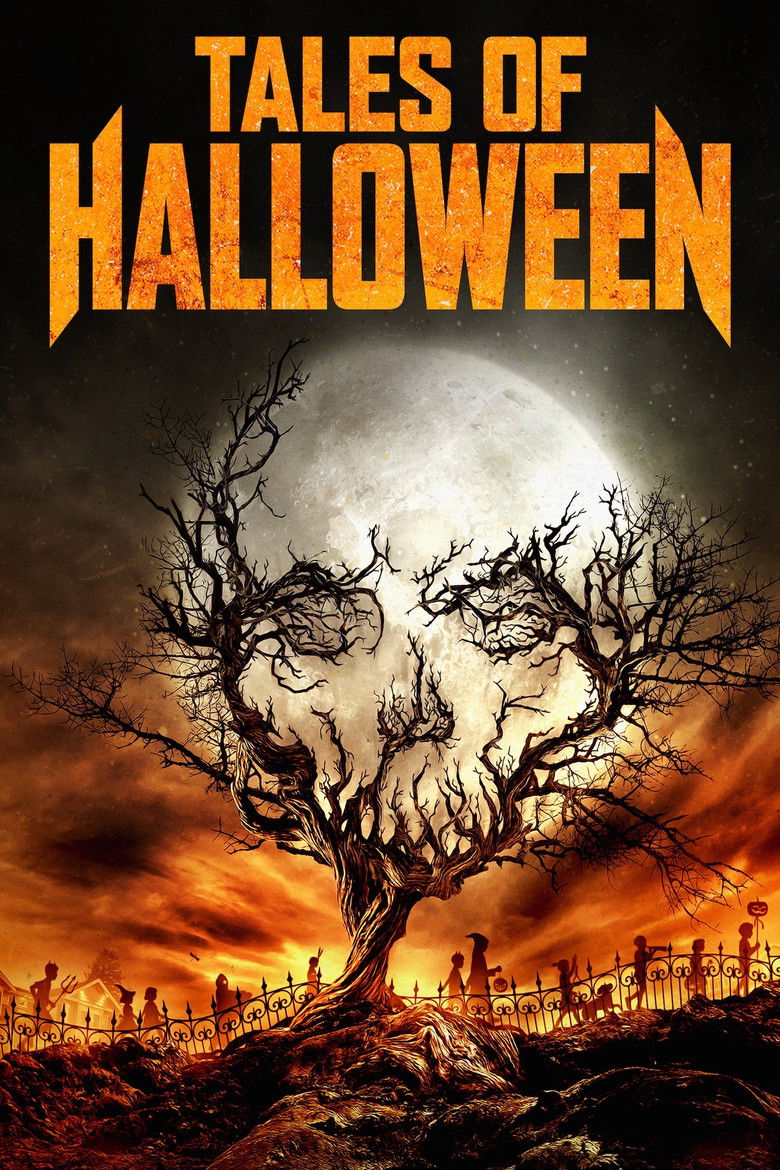
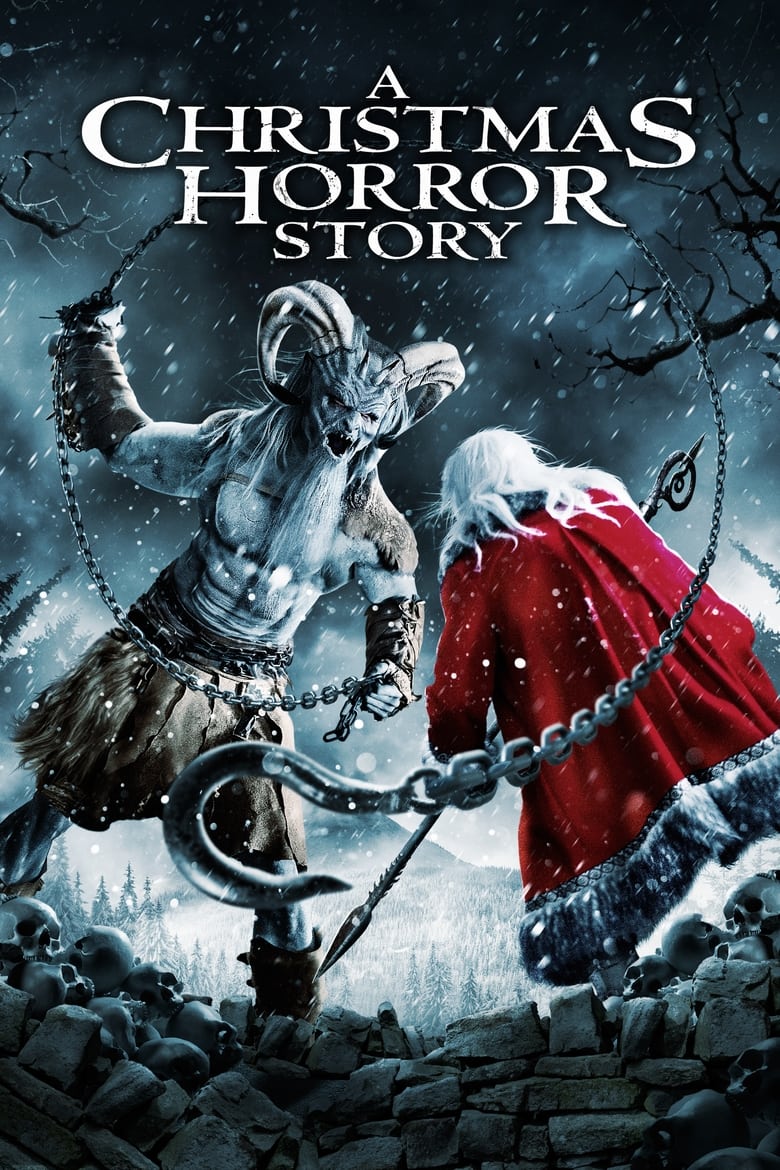
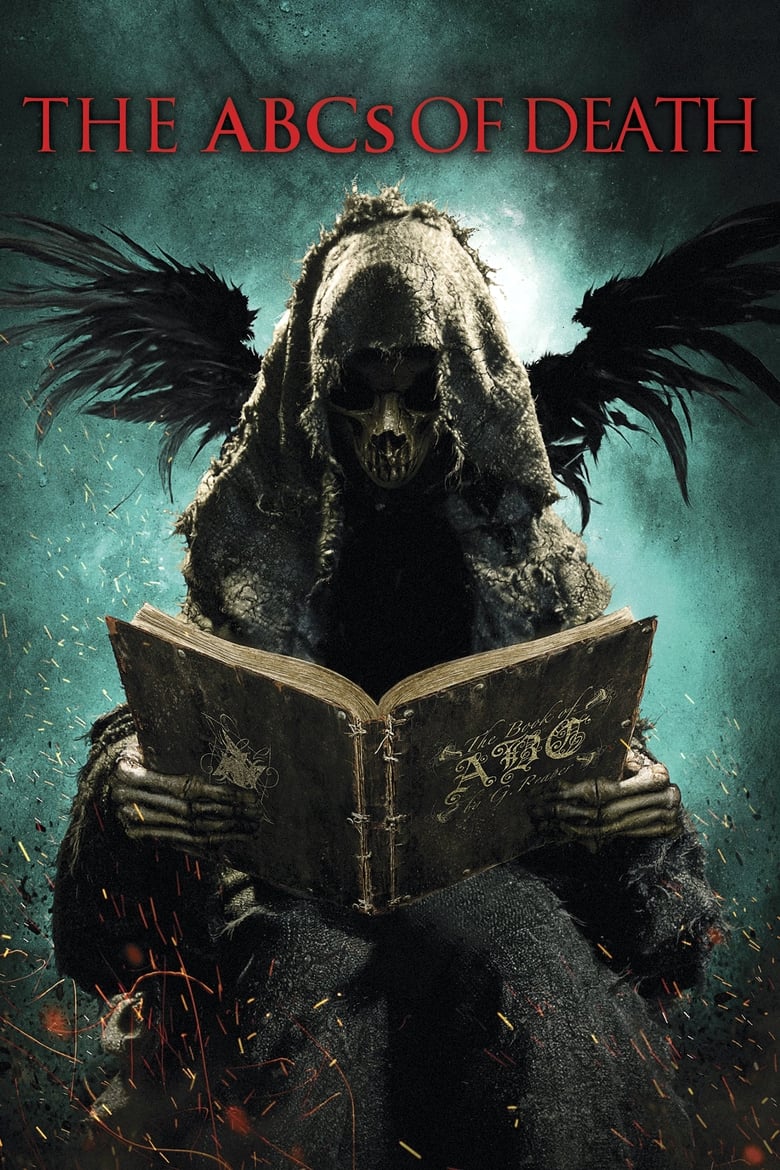
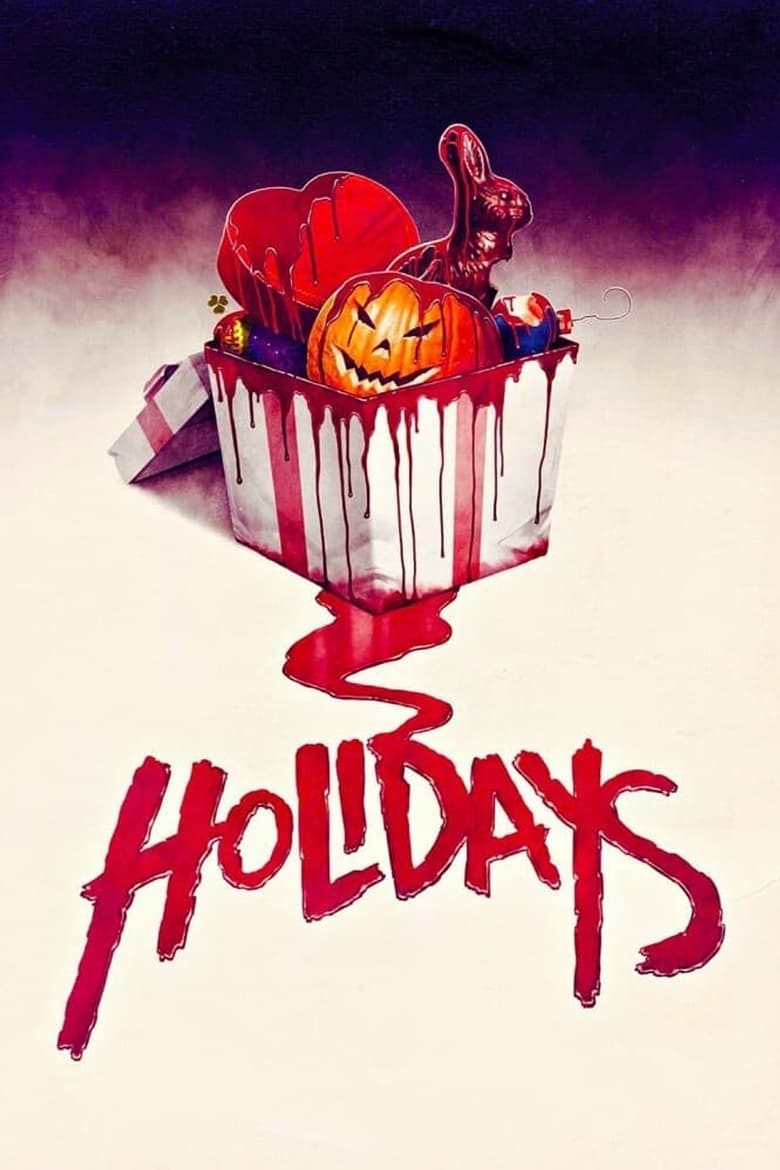
Movies like Deathcember include ABCs of Death 2 (2014), Tales of Halloween (2015) and A Christmas Horror Story (2015). Of the 12 closest matches, most are horror comedies, and several are films about violence.

Explore by
What else shares a premise, people or place with Deathcember?
1.9K other films share the rarest tag below, kind of film: horror comedy. Each tag opens Browse with the films that share it.